
Support for every journey
Assistive technology is never one-size-fits-all. Find the conditions we support most often, and the outcomes we help people reach. If you do not see yours, we can still help.
Conditions we support
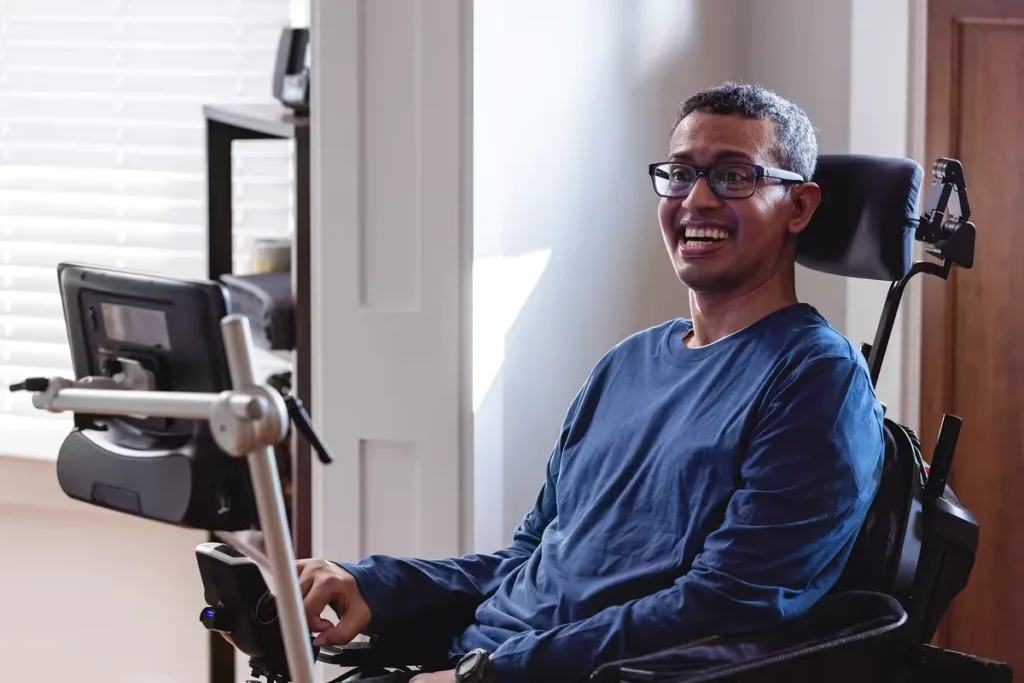
ALS / Motor Neuron Disease
Eye-gaze technology and voice banking that keep a person connected as needs change.
Explore support →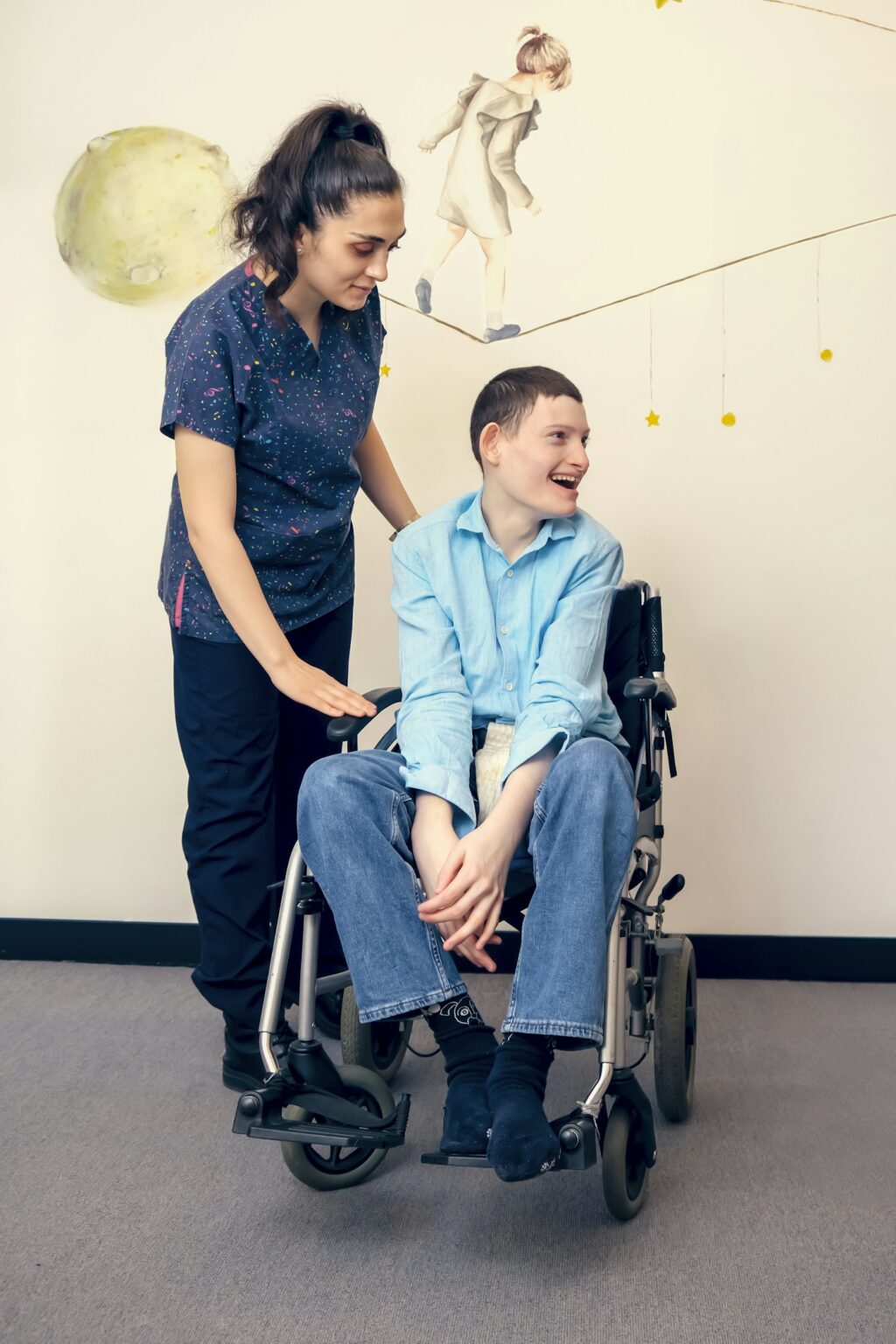
Cerebral Palsy
Communication, access and seating solutions that support movement, speech and participation.
Explore support →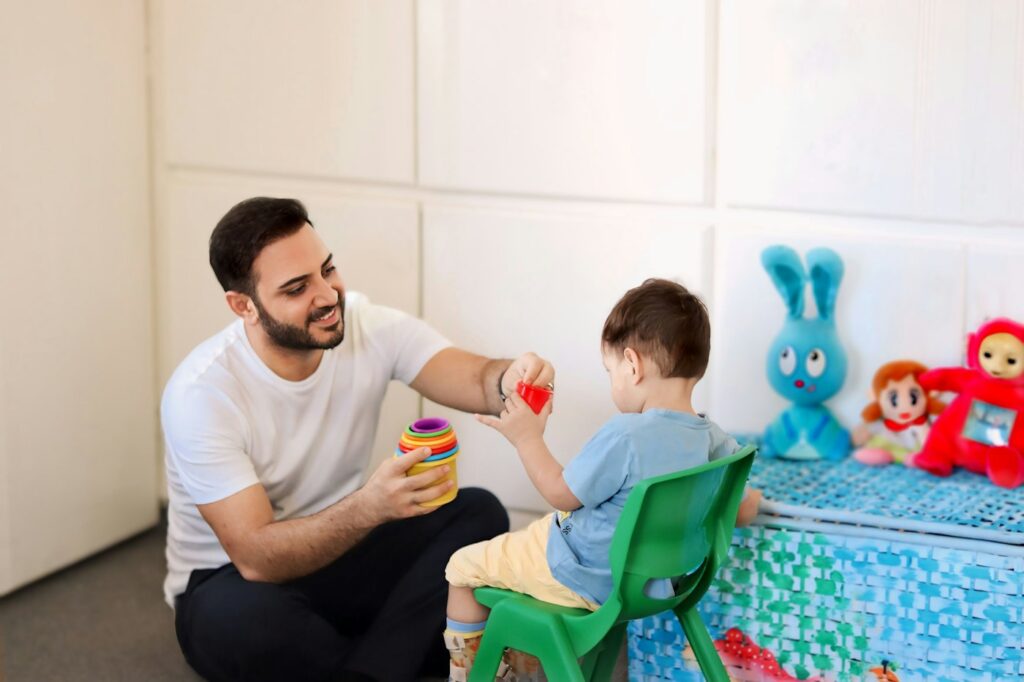
Autism Spectrum Disorder (ASD)
Symbol-based AAC and sensory tools that build communication, routine and calm.
Explore support →
ADHD
Focus, planning and literacy tools that help learners organise and stay engaged.
Explore support →
Anxiety
Calming sensory spaces and regulation tools that help people feel safe and settled.
Explore support →
PTSD
Low-stimulation environments and grounding technology that support recovery at your own pace.
Explore support →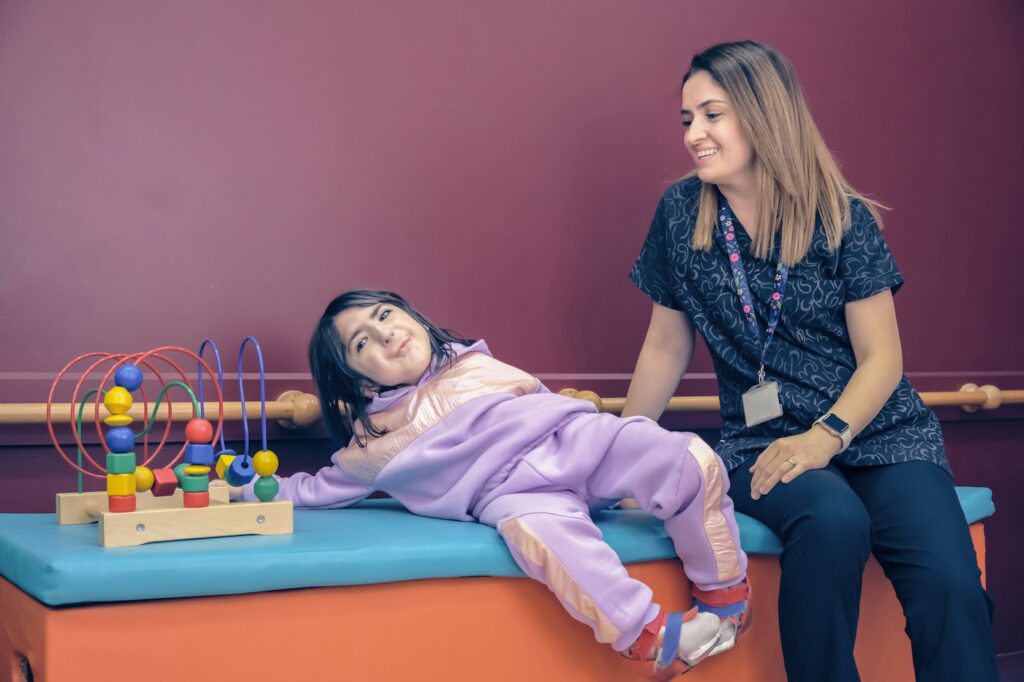
Rett Syndrome
Eye-tracking access that reveals ability and gives a reliable way to communicate.
Explore support →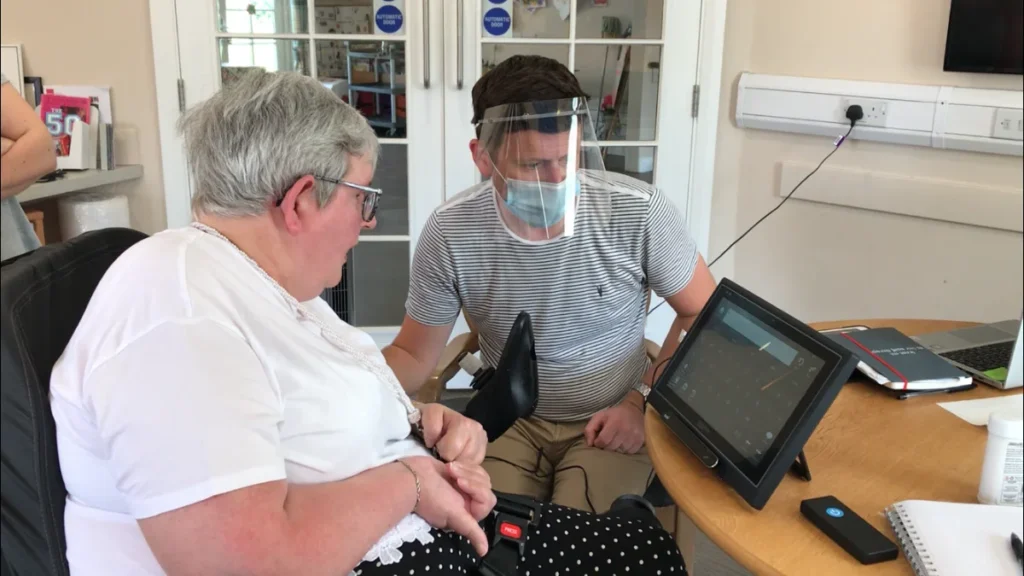
Aphasia
Tools that rebuild language, support therapy and restore everyday conversation.
Explore support →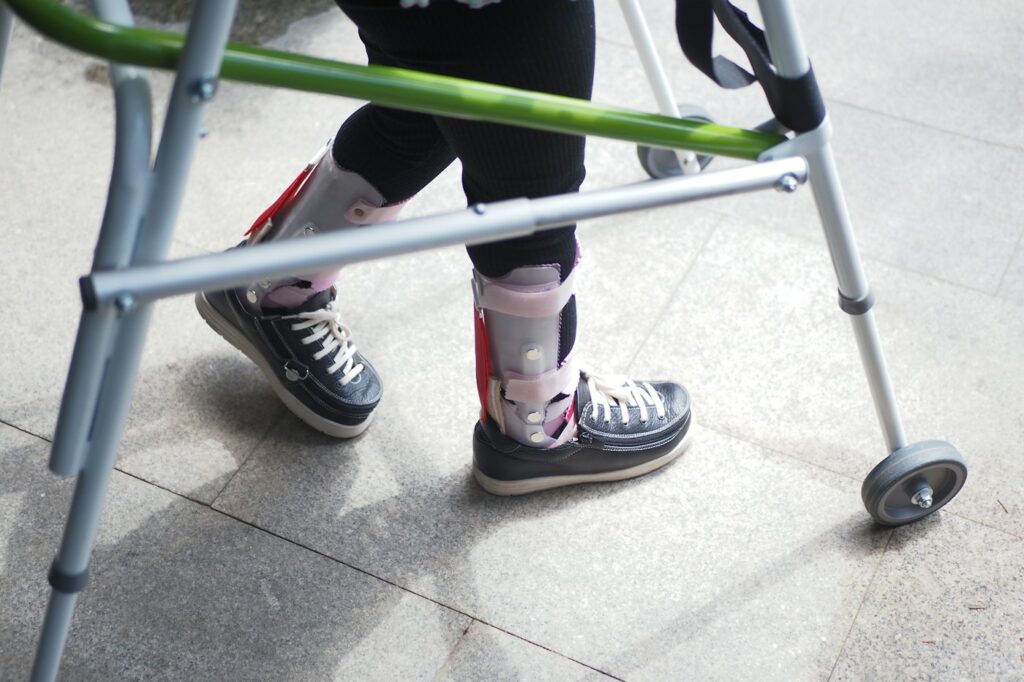
Stroke
Communication and access technology that supports rehabilitation and regained independence.
Explore support →
Sensory Processing Disorder (SPD)
Multi-sensory rooms and regulation equipment tailored to how each person processes the world.
Explore support →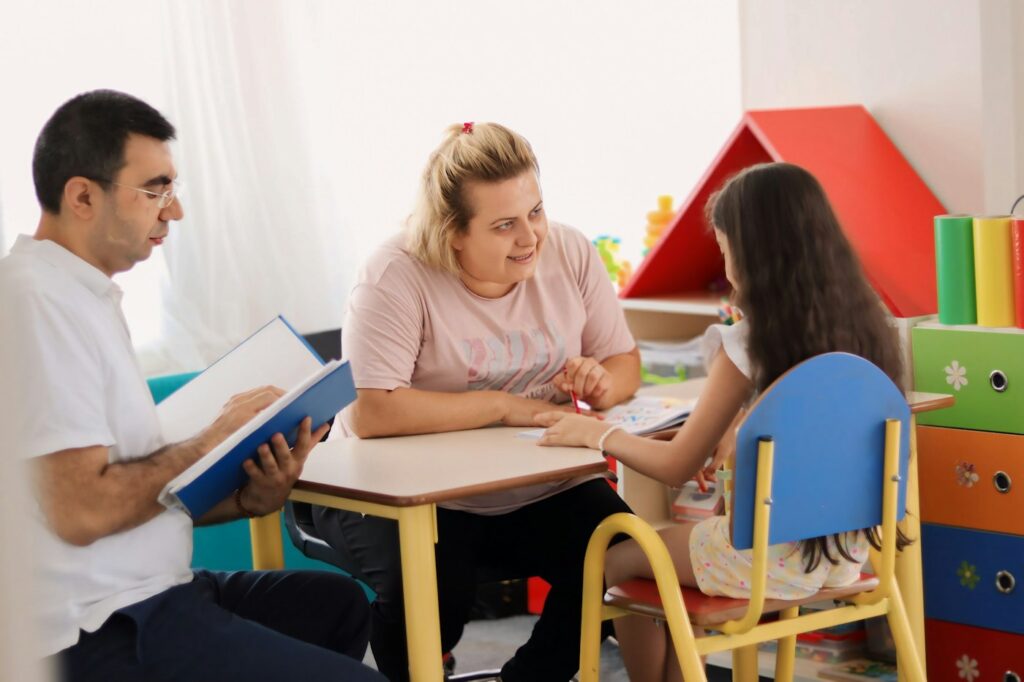
From first question to lasting independence
Talk to a specialist
Tell us about the person and what they want to achieve. We listen first, then suggest where to start.
Assessment and trial
We match technology to real needs and trial it together.
Fit, train and implement
We set it up and train everyone who supports the person.
Ongoing support
We stay with you as needs grow and change.
Conditions: common questions
What is the official definition of assistive technology (AT)?
Assistive technology (AT) is any item, piece of equipment, software or system used to increase, maintain or improve functional capabilities. ATIA and WHO describe it as an umbrella term covering products, systems and services, from low-tech aids such as pencil grips to high-tech eye-gaze computers, designed to support learning, work and daily living for people with disabilities.
What is AAC and who can benefit from it?
Augmentative and alternative communication (AAC) supports people who cannot rely on speech alone. It includes every form of communication other than oral speech used to express thoughts and needs, from simple picture boards to high-tech speech-generating devices (SGDs), and is vital for many autistic people, people with cerebral palsy or ALS, and stroke survivors.
My condition is not listed. Can you still help?
Yes. The conditions on this page are the ones we support most often, not a complete list. Assistive technology is chosen around the person's abilities and goals rather than a diagnosis, so tell us about the person and our specialists will suggest where to start.
What is the difference between a diagnosis and an assessment?
A diagnosis names the condition, while an assessment identifies what your child can do and what help they need. If the diagnosis is the title of a book, the assessment is the chapters, telling us exactly how to help your child at school, at home and in play.
What is the difference between low-tech and high-tech assistive technology?
Low-tech assistive technology is non-electronic, such as communication books, and is reliable because it needs no batteries. High-tech AT is digital or electronic, such as the Tobii Dynavox I-Series, and offers synthesised voice, environmental control and computer access for greater independence with complex needs; the distinction once reflected cost, but today it mainly describes the complexity of the technology.
Tell us about the person you support
Every journey starts with a conversation. Our specialists will help you find the right path, with no pressure and no jargon.