
Autism Spectrum Disorder (ASD)
Autism is a neurodevelopmental condition characterised by differences in social communication and interaction together with restricted or repetitive patterns of behaviour, interests or activities. Sensory responses can also differ. Communication profiles are highly varied: an autistic person may speak fluently, use limited speech, be nonspeaking, or find spoken language unreliable in particular situations.
What it can mean day to day
AAC is not reserved for people with no speech and it does not require a person to prove cognitive, language or motor prerequisites first. Symbols, text, visual scenes, speech-generating devices and visual supports can supplement speech, provide a dependable way to express needs and ideas, and make routines or information easier to understand. Sensory supports should be individualised around function and preference.
Where assistive technology can help
Challenge 1
Speech may not always provide a reliable or efficient way to express wants, feelings, ideas and refusals
Challenge 2
Transitions, unexpected change and spoken-only instructions can create unnecessary communication demands
Challenge 3
Hyper- or hyporeactivity to sensory input can affect comfort, attention and participation
Autism Spectrum Disorder: what typically works
Robust AAC with real language
Use symbol, visual-scene or text-based AAC that supports more than requesting, including commenting, asking questions, refusing, sharing interests and social connection.
Aided language and visual supports
Partners can model the AAC system while speaking and use visual schedules, first-then supports and clear visual information to reduce reliance on spoken language alone.
Sensory and environmental adaptations
Adjust sound, lighting, space, movement and other sensory demands around the person's actual responses and participation goals, ideally with OT input when needs are complex.
Accessible learning and participation
Use predictable, motivating learning tools and communication access across lessons, play and daily routines rather than limiting AAC to therapy sessions.
Products our assessments most often lead to
Every recommendation follows an assessment. These are starting points, not prescriptions.
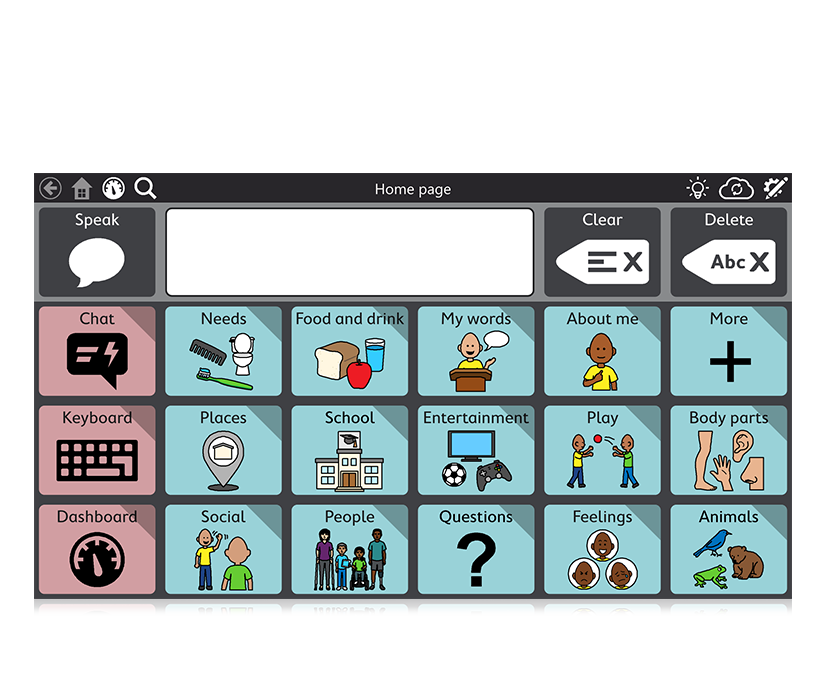
TD Snap
Tobii Dynavox
A flexible symbol-supported AAC platform with multiple page sets, clear speech output and access by touch, eye gaze or switch.
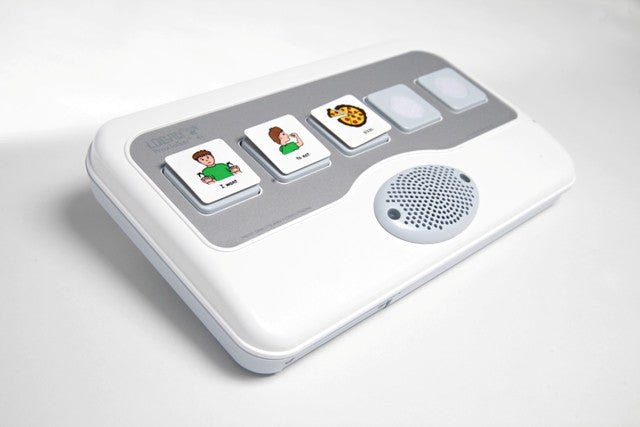
ProxTalker
LoganTech
A five-location recorded-speech AAC device that turns RFID sound tags labelled with symbols, photos, text or objects into spoken communication.
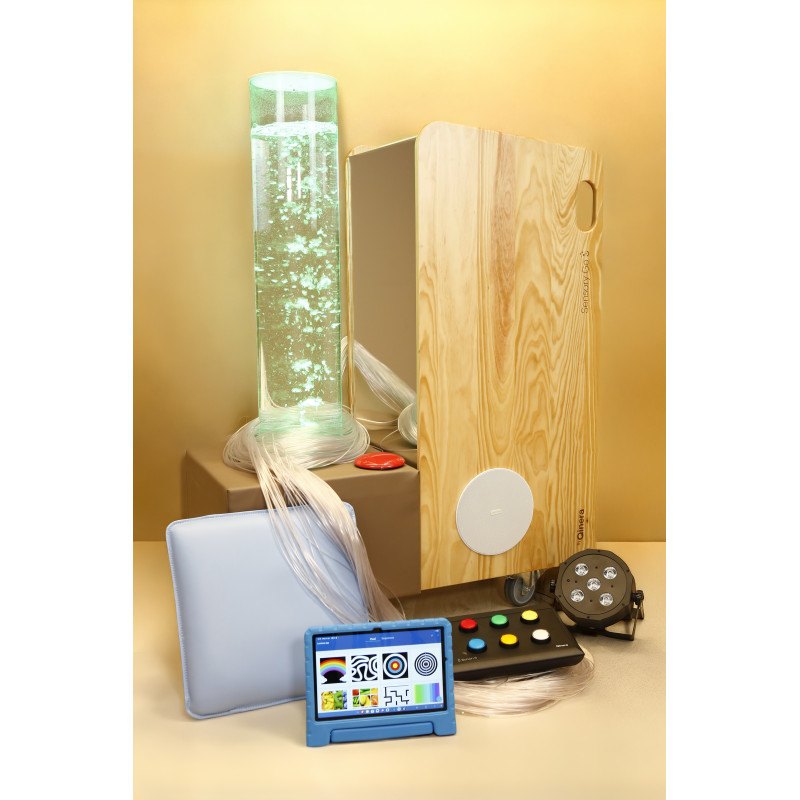
Sensory Go Luminea Plus
Qinera
An expanded portable multisensory cart adding accessible buttons, vibroacoustic cushion, aromatherapy, UV stimulation and massage to the Luminea system.
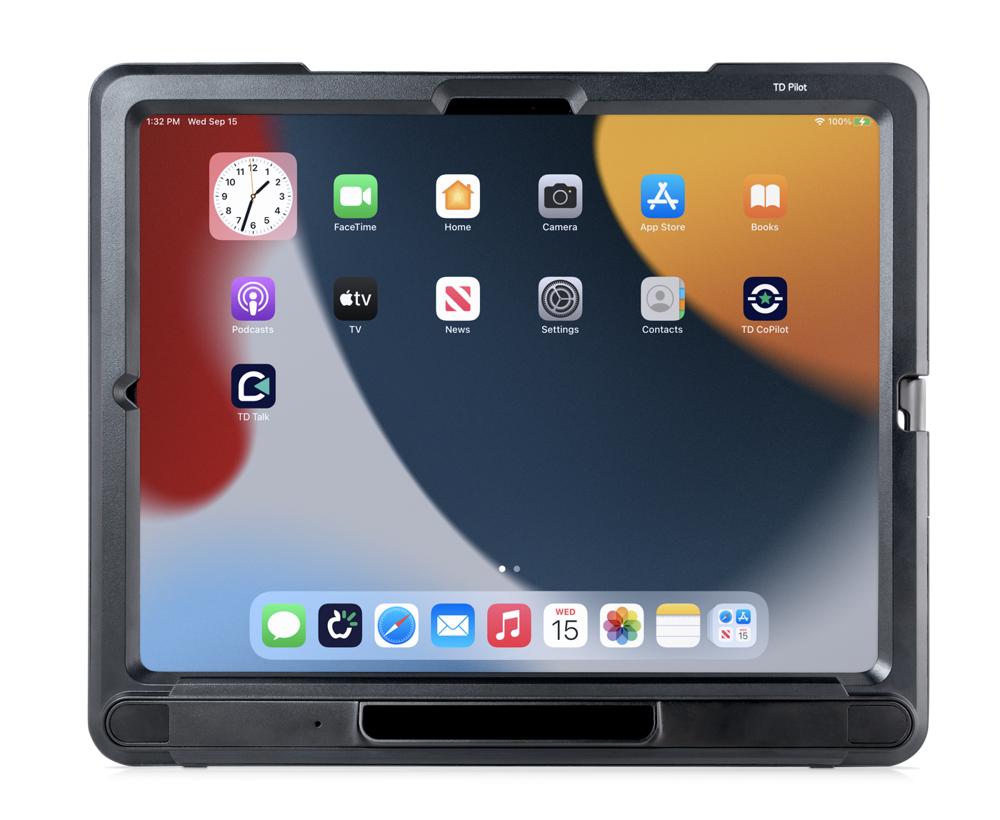
TD Pilot (iOS)
Tobii Dynavox
A dedicated eye-controlled iPadOS speech generating device with integrated Tobii eye tracking, Partner Window, powerful speakers and pre-installed AAC apps.
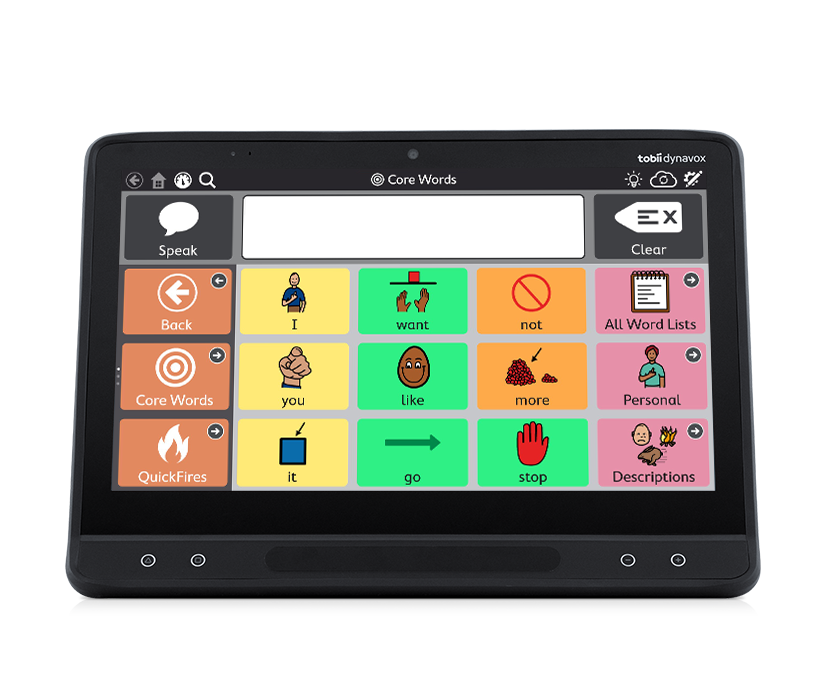
TD I-16 (Windows)
Tobii Dynavox
A flagship 15.6-inch Windows speech generating device with integrated eye tracking, Partner Window and a complete AAC and computer-access software suite.
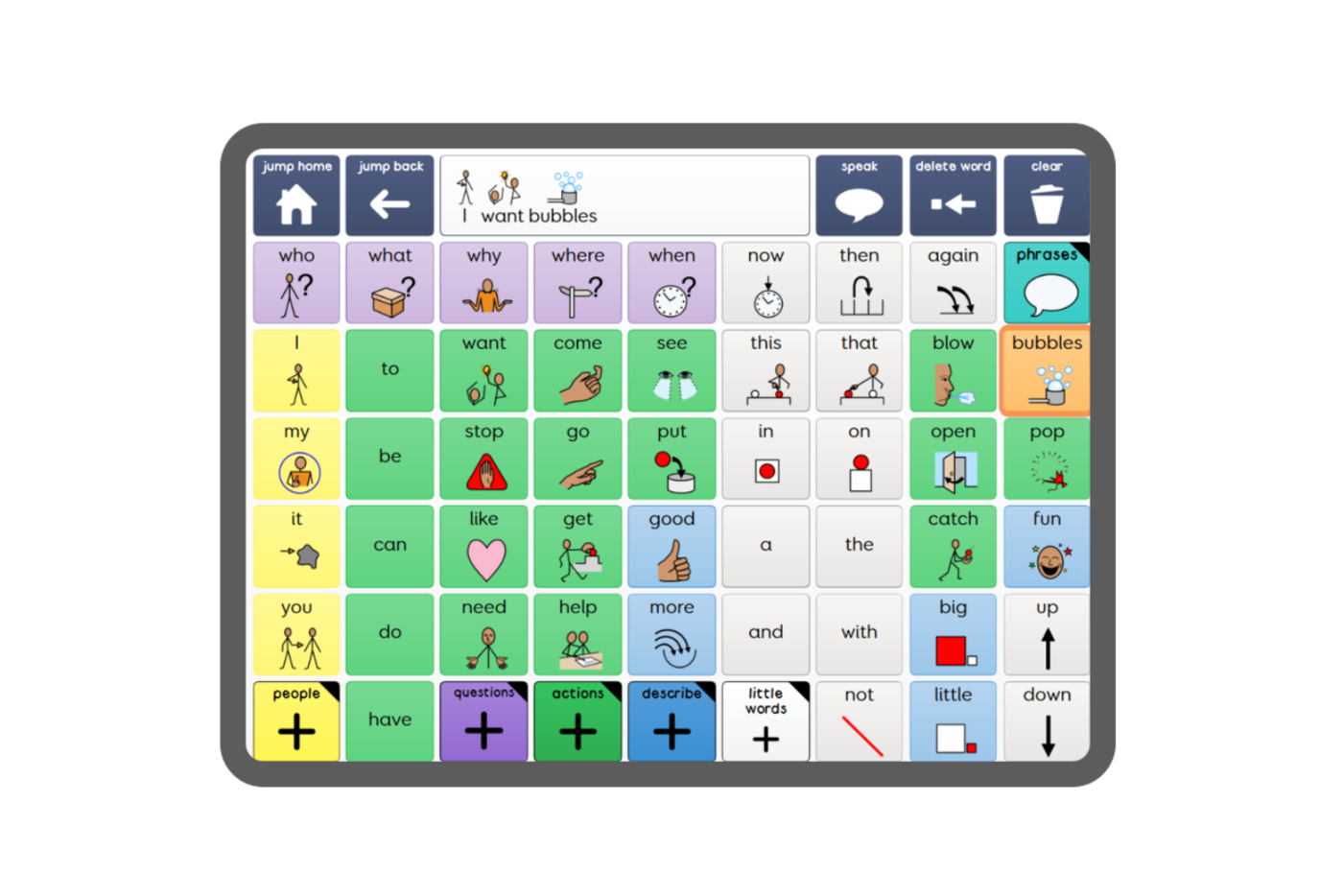
Grid 3 for Windows
Smartbox
Smartbox's flagship Windows AAC software for communication, computer access, environmental control and independence across multiple access methods.
Your first step
Start with communication function, not a device. We look at what the person is already trying to communicate, how they understand language, their strongest visual or motor access, literacy potential, sensory preferences and the people who will model the system every day.
Autism: common questions
How can assistive technology help autistic people?
Assistive technology can give autistic people a dependable way to express needs, ideas and refusals, and make routines and transitions more predictable. Useful tools include symbol, visual-scene or text-based AAC, visual schedules and sensory adaptations around the person's actual responses.
Where should we start with communication for an autistic child?
Start with communication function, not a device. We look at what the person is already trying to communicate, how they understand language, their strongest visual or motor access, literacy potential, sensory preferences and the people who will model the system every day.
Does AAC prevent my child from learning to speak?
No, research shows that AAC supports and encourages natural speech development. AAC reduces the frustration of being misunderstood and lowers pressure on the child, often leading to more vocalisations and speech attempts; behaviour is communication, and AAC is used to model language rather than replace it.
Is AAC only for people who are completely non-speaking?
No, AAC is for anyone whose speech does not meet all their communication needs. Many people who speak use AAC to clarify their speech, express complex thoughts or communicate when tired, stressed or in noisy places, and many people with neurological conditions find AAC a helpful guide for communicating.
Is AAC just for autistic children?
No, AAC is for anyone who has difficulty speaking, whatever the reason. Whether the cause is a developmental delay, a physical condition or another challenge, AAC gives people a way to be heard, because it is about communication, not a specific diagnosis.
What is a social script?
A social script is a set of ready-made sentences that help a child join a conversation quickly. Scripts such as 'Can I play?' support the language of social rules, while building the scripts together supports the literacy skill of sentence structure.
Tell us about the person you support
Every journey starts with a conversation. Our specialists will help you find the right path, with no pressure and no jargon.
Email us
info@consortworld.com
Call us
+971 4 431 4400
Visit us
Office 1102, The Dome Tower, Cluster N, JLT, Dubai