
PTSD
Post-traumatic stress disorder can develop after exposure to trauma and may involve intrusive memories or re-experiencing, avoidance, changes in mood and thinking, and heightened arousal or reactivity. Triggers are individual, and symptoms such as poor sleep, concentration difficulty, exaggerated startle and feeling constantly on guard can make ordinary environments and routines difficult.

What it can mean day to day
Assistive technology and environmental adaptations should be understood as supportive tools, not PTSD treatment. Evidence-based PTSD care centres on trauma-focused psychotherapy, with medication appropriate for some people. AT can complement that care by improving predictability, communication, choice and control in schools, clinics, workplaces or care settings.
Where assistive technology can help
Challenge 1
Unexpected sensory or situational cues can trigger a strong stress response
Challenge 2
Feeling trapped, powerless or unable to predict what happens next can undermine a sense of safety
Challenge 3
Hyperarousal, poor sleep and intrusive symptoms can make concentration and task completion difficult
PTSD: what typically works
Trauma-informed environmental design
Support physical and psychological safety with clear routines, transparent information and environments that avoid unnecessary surprise or coercion.
Choice and control
Give the person genuine control over pace, sensory settings and whether to use a support; empowerment and choice are core trauma-informed principles.
Communication under stress
Use simple visual or digital supports to express needs, preferences, boundaries and requests when verbal communication is difficult.
Optional regulation space
A quiet, controllable space may help some people settle enough to re-engage, but it should never be presented as a treatment for PTSD or used in place of trauma-focused care.
Products our assessments most often lead to
Every recommendation follows an assessment. These are starting points, not prescriptions.
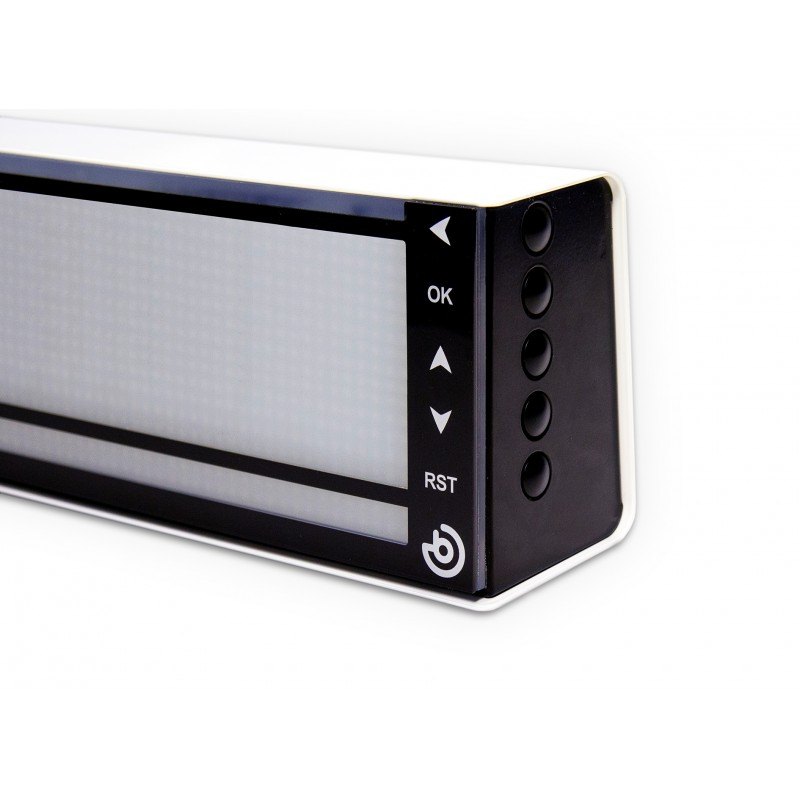
Resetea
Qinera
A programmable visual timer that makes the passage and sequence of time easier to understand using illuminated stages, pictures and pictograms.
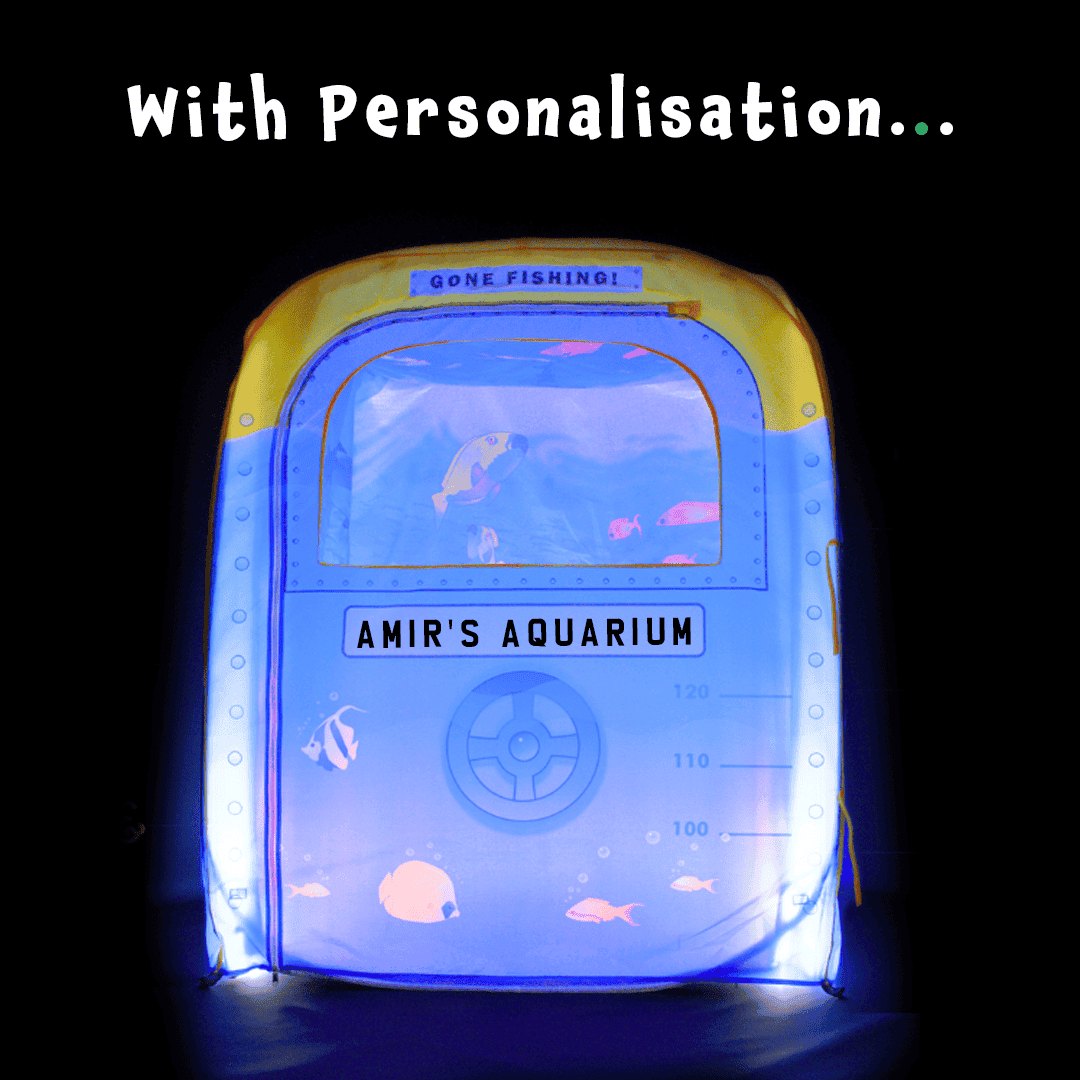
PODSpop
PODS Play
A portable pop-up sensory and imaginative play space with interchangeable 360° themed jackets, lighting, sound and app-based digital content.
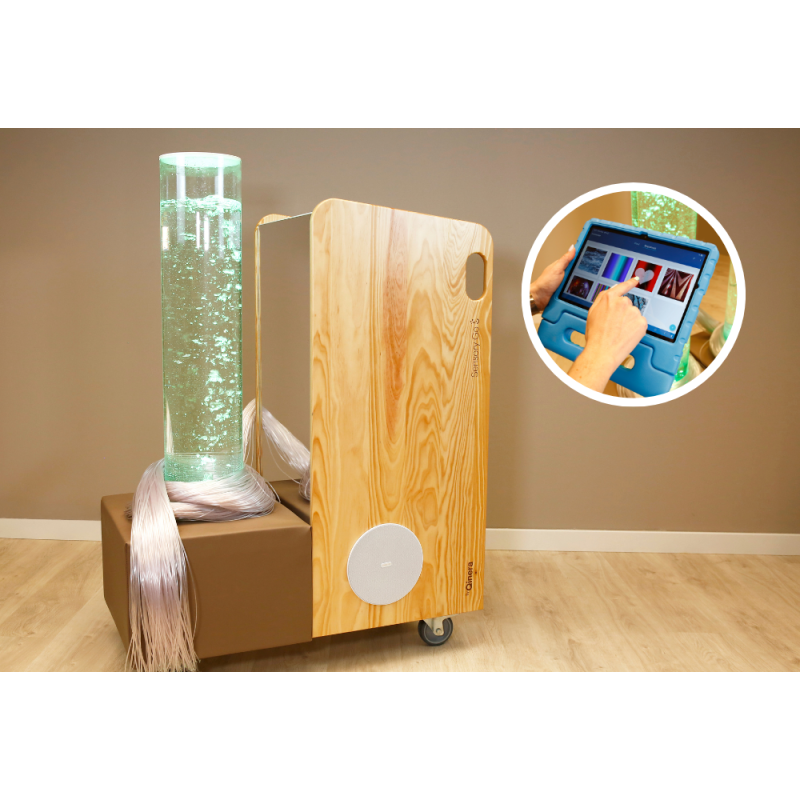
Sensory Go Luminea
Qinera
A portable plug-and-play multisensory cart with interactive Luminea lighting, sound, vibration and a tablet for personalised sensory activities.
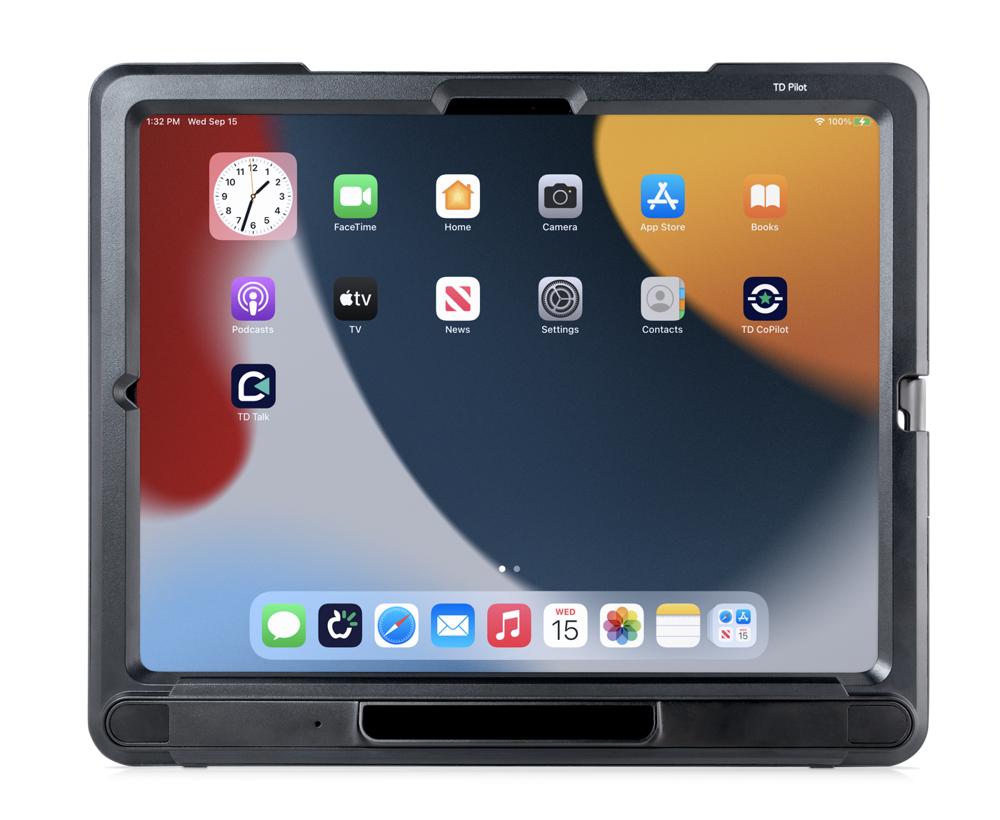
TD Pilot (iOS)
Tobii Dynavox
A dedicated eye-controlled iPadOS speech generating device with integrated Tobii eye tracking, Partner Window, powerful speakers and pre-installed AAC apps.
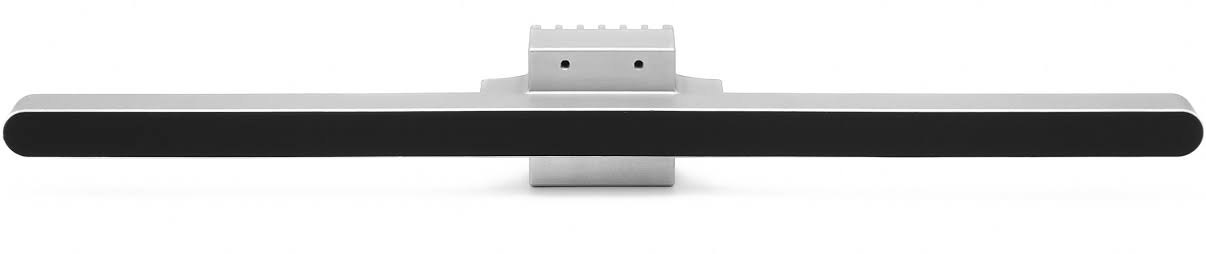
Eyetuitive
GazeFirst
A compact, AI-powered eye tracker that adds eye-gaze control to Windows computers and iPad Pro, with no extra licences required.
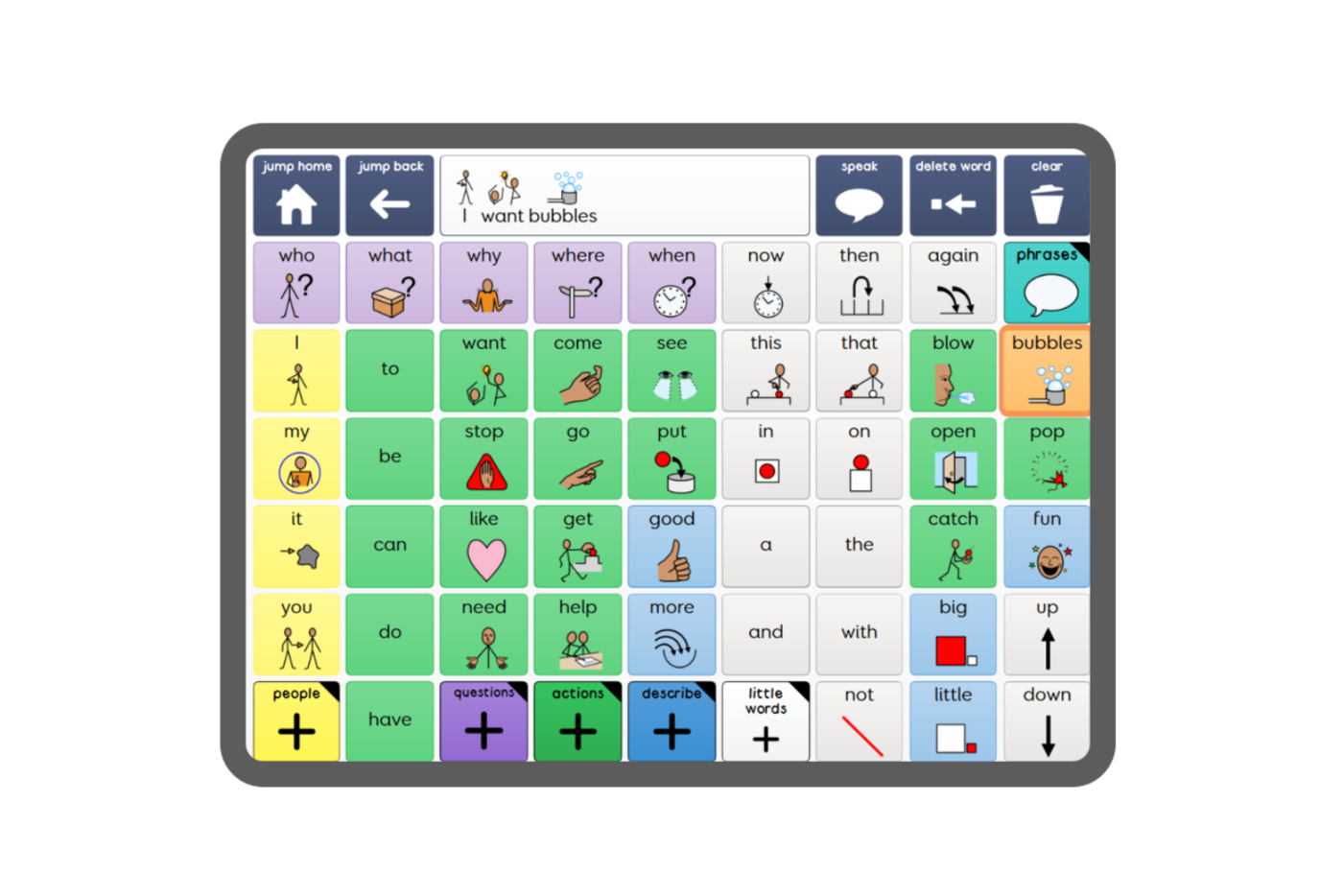
Grid 3 for Windows
Smartbox
Smartbox's flagship Windows AAC software for communication, computer access, environmental control and independence across multiple access methods.
Your first step
For PTSD, the clinical treatment plan comes first. If a therapist, hospital, school or service needs environmental or communication supports, we work around the person's trauma-informed care plan and prioritise safety, consent, predictability, choice and the ability to opt out.
Tell us about the person you support
Every journey starts with a conversation. Our specialists will help you find the right path, with no pressure and no jargon.
Email us
info@consortworld.com
Call us
+971 4 431 4400
Visit us
Office 1102, The Dome Tower, Cluster N, JLT, Dubai