
Rett Syndrome
Rett syndrome is a rare neurodevelopmental disorder, usually associated with changes in the MECP2 gene, that primarily affects girls. Development is followed by loss or reduction of purposeful hand use and spoken communication, together with motor planning difficulties and other medical features. Communication ability can be underestimated when motor output is used as a proxy for understanding.
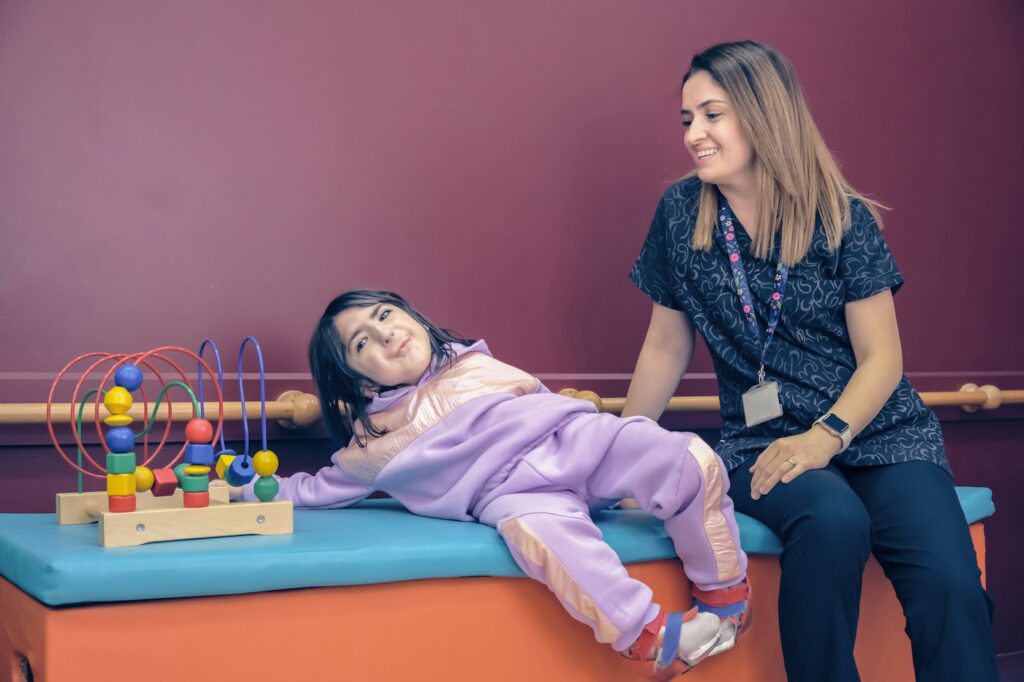
What it can mean day to day
Current Rett communication guidance recommends AAC assessment from the time of diagnosis and exploring all communication modalities, including eye pointing, body language, vocalisations, low-tech systems and high-tech AAC. Eye gaze is often a particularly important access route because it is less affected by the severe hand apraxia that characterises Rett syndrome.
Where assistive technology can help
Challenge 1
Severe hand apraxia and stereotyped hand movements can make purposeful touch access unreliable
Challenge 2
Spoken communication is usually very limited, so partners must recognise and build on other intentional signals
Challenge 3
Visual attention may provide a more reliable route to choice and language than limb movement
Rett Syndrome: what typically works
Eye-gaze AAC
Use calibrated eye tracking to select symbols, words and messages when gaze is the most reliable purposeful movement.
Multimodal communication
Combine high-tech AAC with eye pointing, partner-assisted scanning, vocalisations, facial expression and low-tech backups rather than relying on one channel.
Language that grows with the person
Provide enough vocabulary for choice, refusal, questions, comments, social connection and learning, with partners modelling the system throughout the day.
Access to learning and assessment
Eye-gaze learning tools can provide a motor-accessible way to demonstrate choices, participate in lessons and explore literacy without assuming ability from hand use or speech.
Products our assessments most often lead to
Every recommendation follows an assessment. These are starting points, not prescriptions.
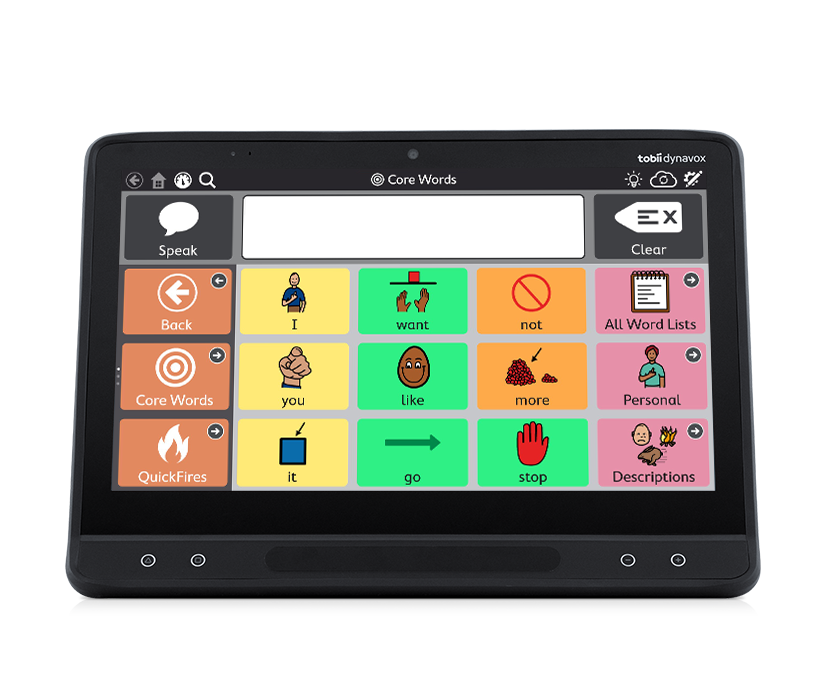
TD I-16 (Windows)
Tobii Dynavox
A flagship 15.6-inch Windows speech generating device with integrated eye tracking, Partner Window and a complete AAC and computer-access software suite.
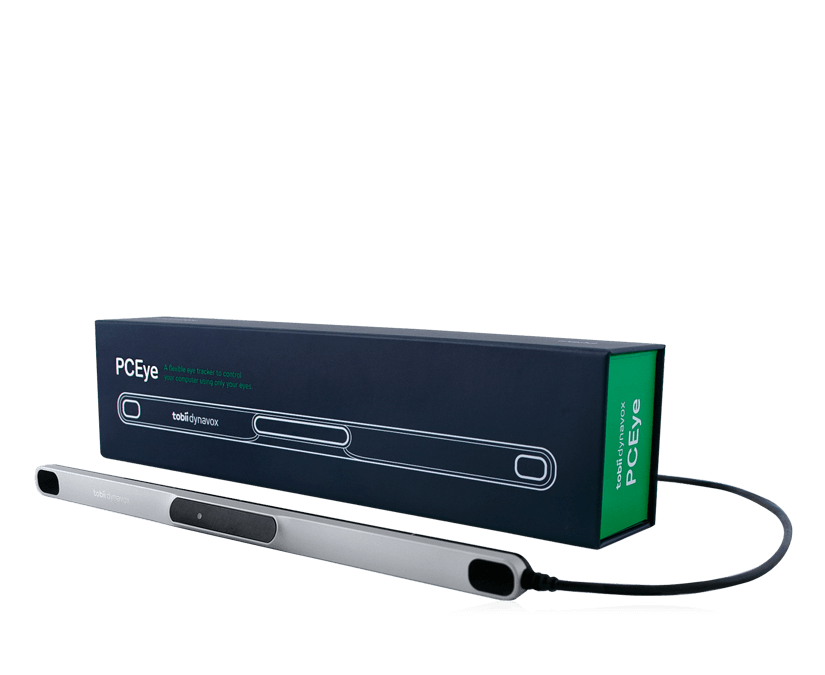
PCEye
Tobii Dynavox
A compact eye tracker for adding eye-gaze access to a compatible Windows tablet, laptop or monitor, with TD Control included.
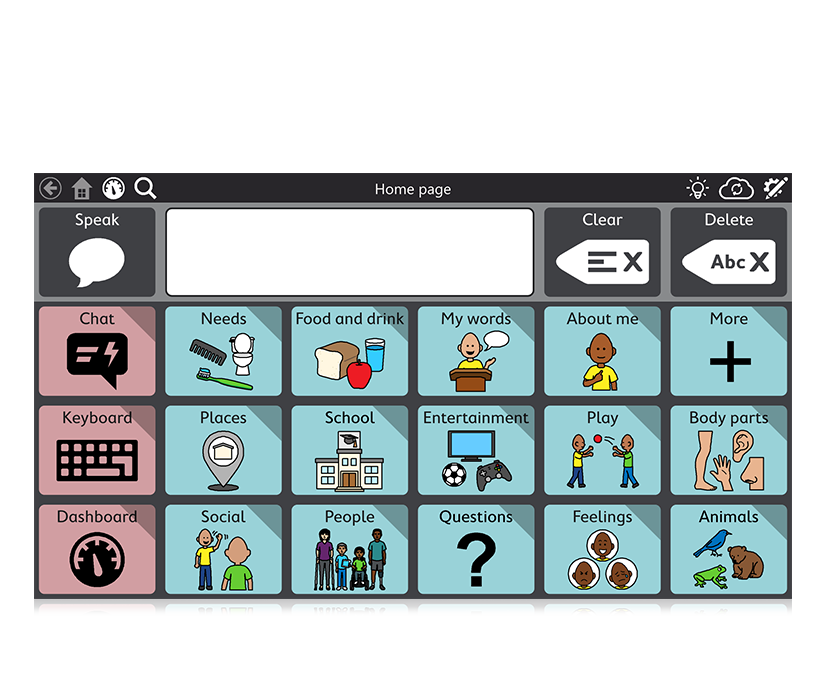
TD Snap
Tobii Dynavox
A flexible symbol-supported AAC platform with multiple page sets, clear speech output and access by touch, eye gaze or switch.
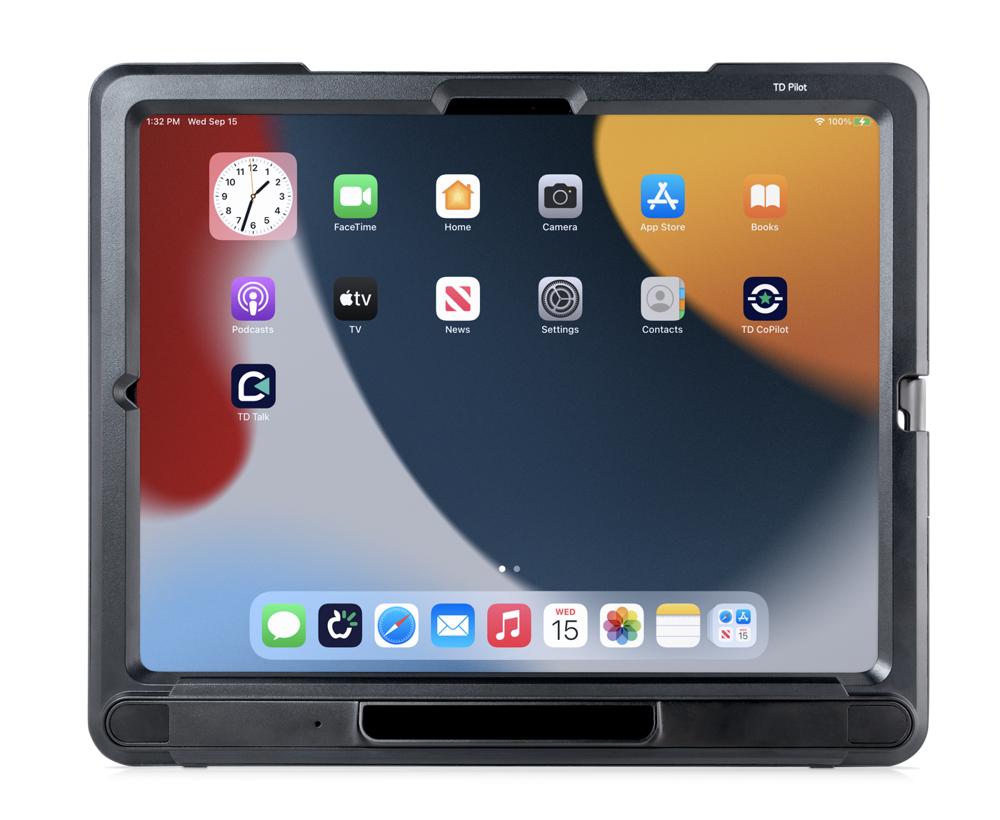
TD Pilot (iOS)
Tobii Dynavox
A dedicated eye-controlled iPadOS speech generating device with integrated Tobii eye tracking, Partner Window, powerful speakers and pre-installed AAC apps.
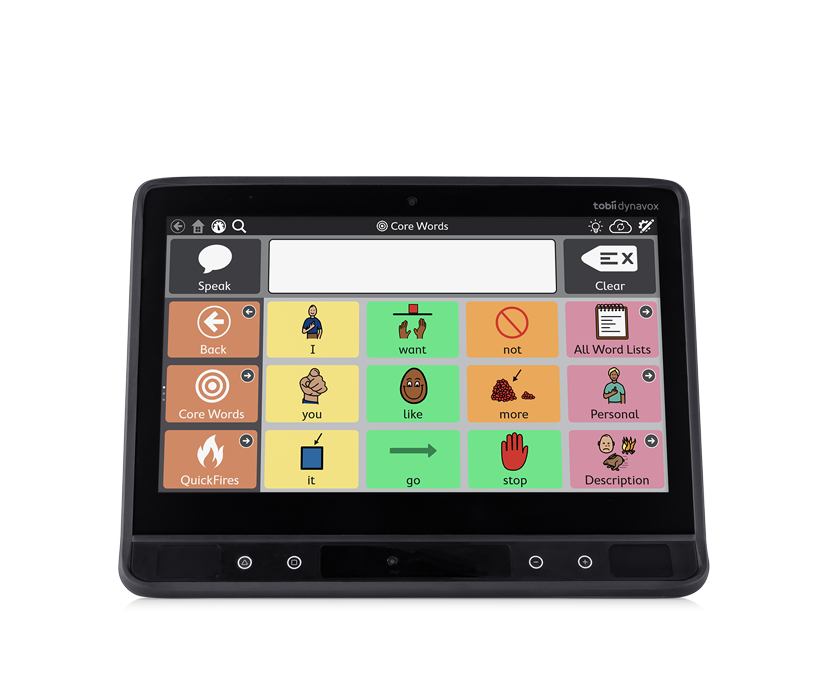
TD I-13 (Windows)
Tobii Dynavox
A flagship 13.3-inch Windows speech generating device with integrated eye tracking, Partner Window and a complete AAC and computer-access software suite.
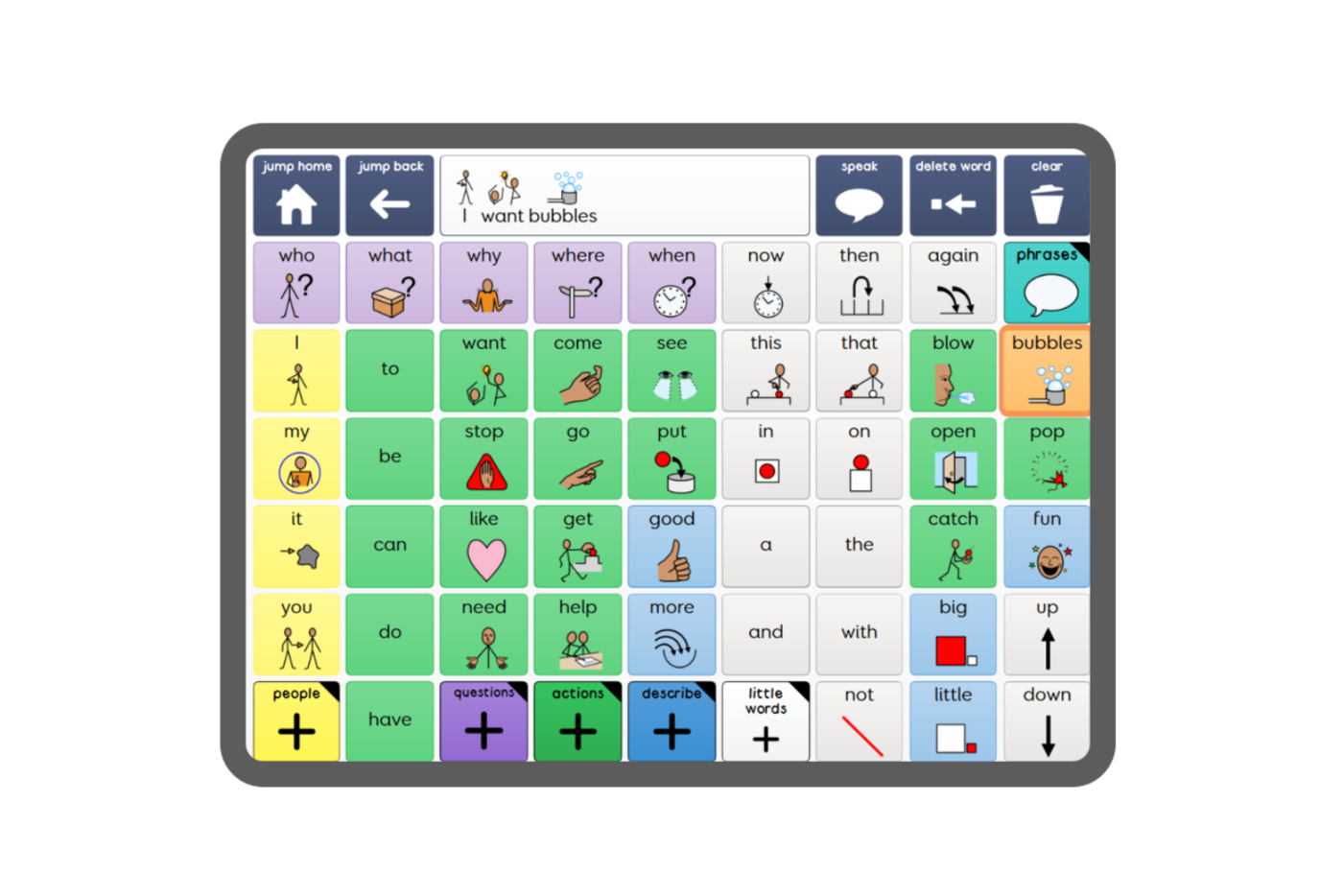
Grid 3 for Windows
Smartbox
Smartbox's flagship Windows AAC software for communication, computer access, environmental control and independence across multiple access methods.
Your first step
Refer for specialist AAC assessment early. We assess gaze control, visual presentation, seating, calibration, fatigue and communication signals, then train the family and education team so the system is modelled and available across the whole day.
Rett syndrome: common questions
Why is eye gaze often recommended for people with Rett syndrome?
Eye gaze is often an important access route because it is less affected by the severe hand apraxia that characterises Rett syndrome. Calibrated eye tracking lets a person select symbols, words and messages when gaze is their most reliable purposeful movement.
When should AAC assessment start for Rett syndrome?
Current Rett communication guidance recommends AAC assessment from the time of diagnosis, exploring all communication modalities: eye pointing, body language, vocalisations, low-tech systems and high-tech AAC. Communication ability can be underestimated when hand use or speech is taken as a measure of understanding.
What does a Rett syndrome communication assessment cover?
We assess gaze control, visual presentation, seating, calibration, fatigue and communication signals, then train the family and education team so the system is modelled and available across the whole day.
Should we rely on one communication method for Rett syndrome?
No. Combine high-tech AAC with eye pointing, partner-assisted scanning, vocalisations, facial expression and low-tech backups, and provide enough vocabulary for choice, refusal, questions, comments and learning, with partners modelling the system throughout the day.
Tell us about the person you support
Every journey starts with a conversation. Our specialists will help you find the right path, with no pressure and no jargon.
Email us
info@consortworld.com
Call us
+971 4 431 4400
Visit us
Office 1102, The Dome Tower, Cluster N, JLT, Dubai