
Aphasia
Aphasia is an acquired language disorder caused by damage to the brain, most commonly after stroke, and it can affect speaking, understanding spoken language, reading and writing in different combinations. Aphasia itself should not be equated with loss of intelligence, although other cognitive, sensory or motor effects of the underlying brain injury may occur alongside it.
What it can mean day to day
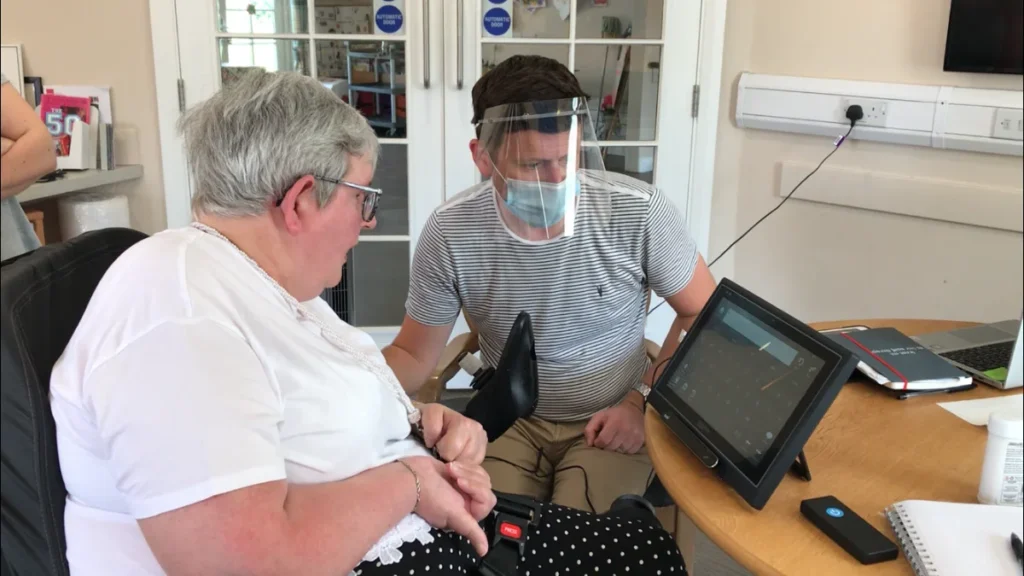
Support is most effective when it is multimodal. Rehabilitation may work on recovering language, while AAC and communication strategies provide ways to participate now. Useful systems may combine speech, writing, drawing, gesture, photos, symbols, stored phrases and text-to-speech, with communication-partner training to make conversations genuinely two-way.
Where assistive technology can help
Challenge 1
Finding words, building sentences or understanding spoken language can require much more time and effort
Challenge 2
Reading and writing can be affected as part of the language disorder
Challenge 3
Fast conversation and unsupported communication partners can create more disability than the aphasia itself
Aphasia: what typically works
Multimodal AAC for real conversations
Use photos, keywords, symbols, stored phrases, typing, drawing and speech output in whatever combination makes the message easiest to express and confirm.
Communication-partner training
Teach partners to slow down, verify understanding, write key words, offer choices and support rather than take over the conversation.
Reading and writing access
Text-to-speech, word prediction and simplified digital tools can support everyday messages, documents and written information when literacy is affected.
Support alongside rehabilitation
Configure AAC around the goals set with the speech-language therapist so compensatory communication and language rehabilitation reinforce each other.
Products our assessments most often lead to
Every recommendation follows an assessment. These are starting points, not prescriptions.
TD Snap
Tobii Dynavox
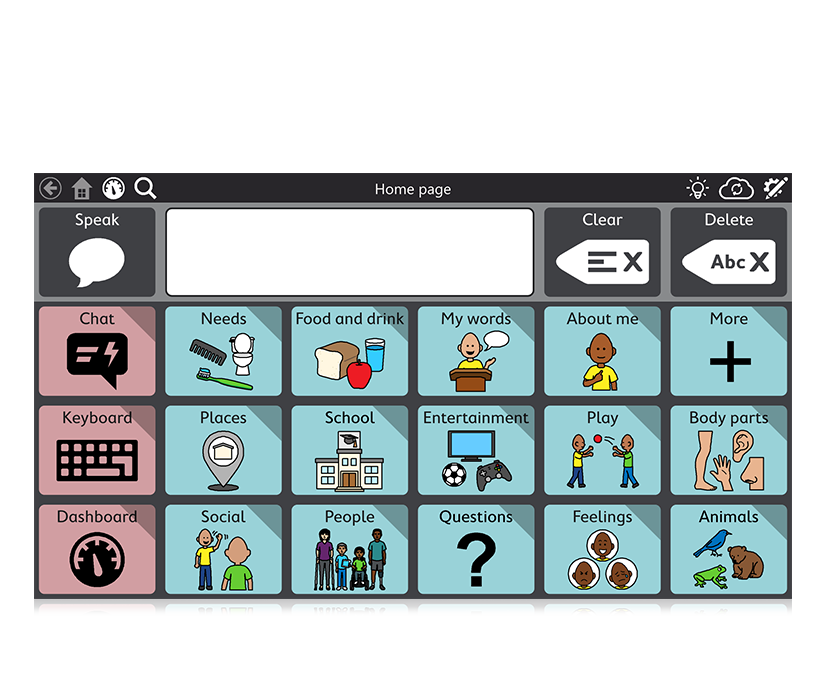
A flexible symbol-supported AAC platform with multiple page sets, clear speech output and access by touch, eye gaze or switch.
Read&Write
Everway
A literacy-support toolbar that helps users read, understand and produce digital text with tools such as text-to-speech, prediction, dictionaries and study supports.
TD Navio Midi (iOS)
Tobii Dynavox
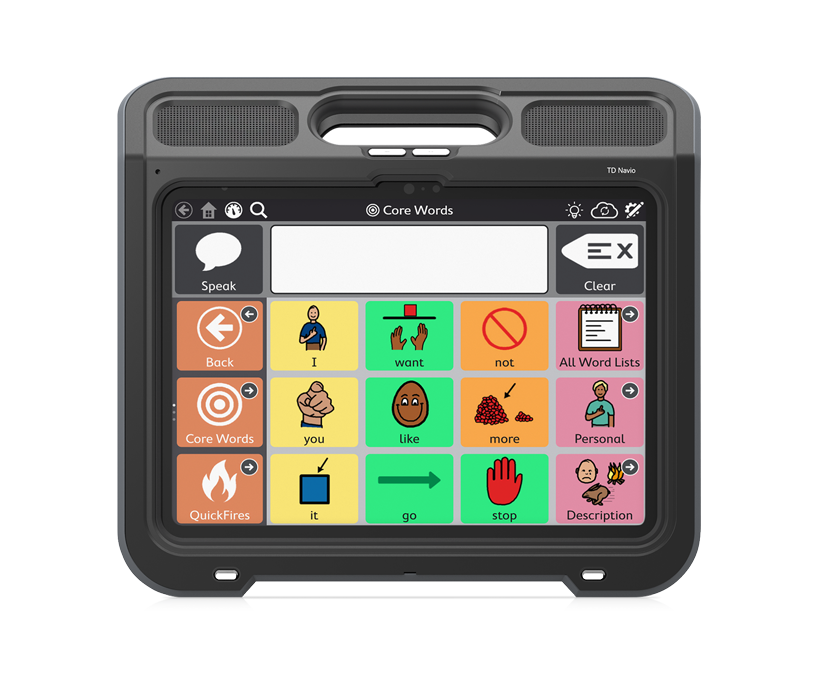
An 11-inch iPadOS speech generating device balancing portability and screen space, with TD Snap, TD Talk, multiple access methods and a 5-year warranty.
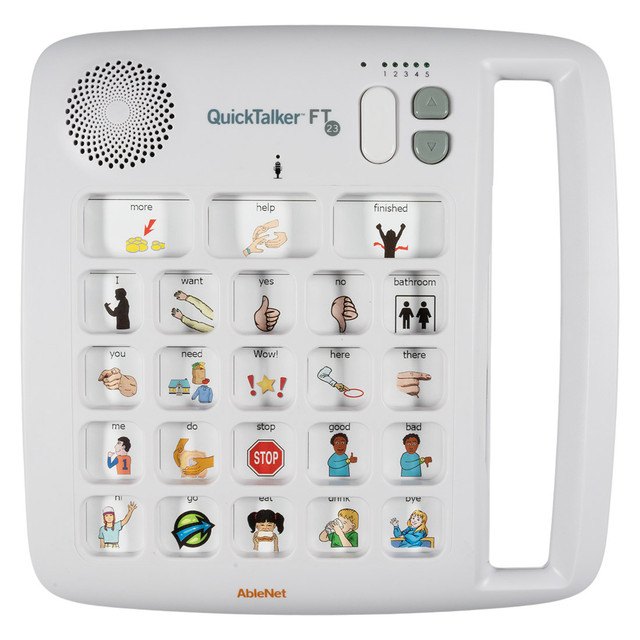
QuickTalker FeatherTouch 23
AbleNet
A portable recorded-message AAC device with 23 easy-access message locations, 103 unique messages and five recording levels.
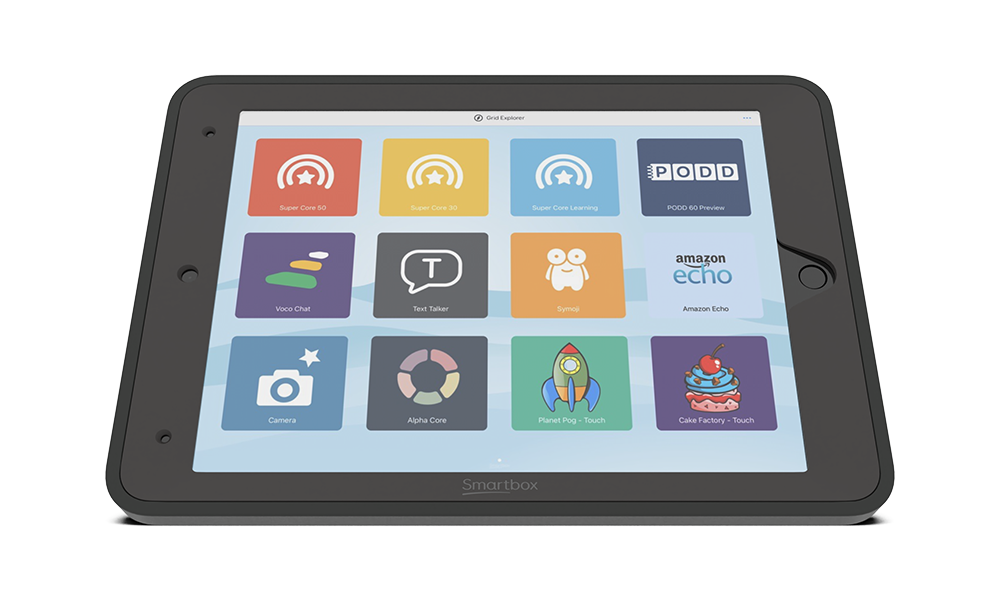
Talk Pad 10
Smartbox
A portable 10-inch iPad-based AAC device with Grid for iPad, switch access, durable protection and more screen space than Talk Pad 8.
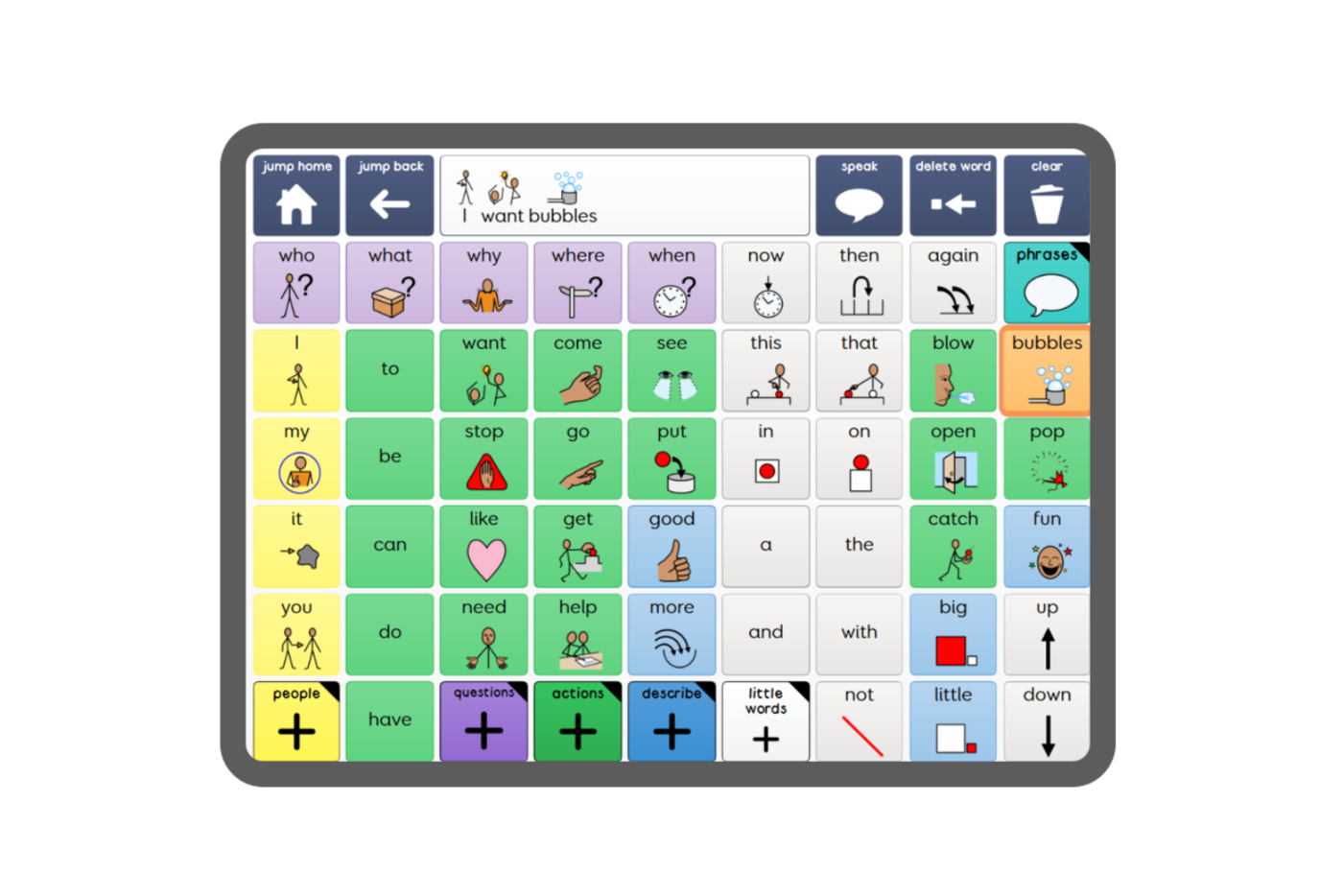
Grid 3 for Windows
Smartbox
Smartbox's flagship Windows AAC software for communication, computer access, environmental control and independence across multiple access methods.
Your first step
We recommend assessment alongside the treating SLP. The best system depends on the person's pattern of language strengths and difficulties as well as vision, hearing, motor access, literacy, fatigue and the communication situations that matter most to them.
Tell us about the person you support
Every journey starts with a conversation. Our specialists will help you find the right path, with no pressure and no jargon.
Email us
info@consortworld.com
Call us
+971 4 431 4400
Visit us
Office 1102, The Dome Tower, Cluster N, JLT, Dubai