

No two students learn the same way, so why should every classroom look the same? Sensory learning uses sight, sound, touch and movement to help students stay focused, understand ideas more deeply and enjoy learning. In today’s mixed classrooms it is not an extra for a few learners: it supports engagement, emotional regulation and long-term progress for everyone.
When learning is interactive, meaningful and accessible, students stay engaged and grow in confidence. At Consort World we believe a well-designed sensory environment helps every student take part fully and succeed.
What is sensory learning?
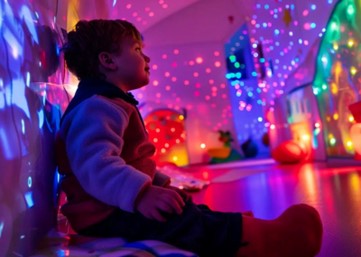
Sensory learning is a way of teaching that uses touch, sight, sound, movement and the surrounding space to help students process information. Instead of relying only on listening or reading, students work actively with materials, which makes abstract ideas concrete and easier to grasp.
It is especially valuable for students with sensory processing differences, neurodivergent learners, children who find attention or regulation hard, and younger students building foundation skills. Its benefits reach every learner, though: it reduces frustration, raises motivation and makes the classroom a more positive place.
Why sensory learning matters in the classroom
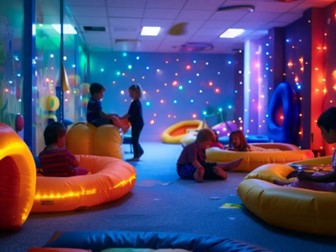
A traditional classroom can overwhelm many students. Bright lights, background noise, long periods of sitting and a heavy reliance on spoken instruction make it hard for some learners to focus or stay regulated. Sensory learning supports both academic progress and emotional wellbeing.
When lessons include hands-on materials or movement, students often keep their attention for longer. Sensory input can also calm or alert, helping students manage stress, anxiety or sensory overload so they can return to the task.
Using several senses at once also improves understanding and memory: when students handle materials or experience a lesson in different ways, they are more likely to retain it. Above all, sensory learning invites in students who struggle with traditional teaching, so they can take part in ways that suit their strengths.
Creating an inclusive, sensory-friendly classroom
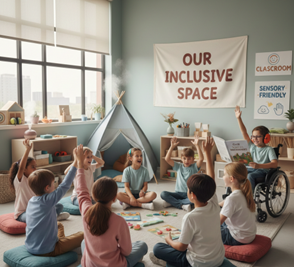
An inclusive classroom treats sensory needs as a natural part of how students differ. A sensory-friendly room is flexible and respectful, giving students choices without singling anyone out.
When students can choose how they sit, move or work with materials, they gain a sense of control and confidence. Making sensory tools available to everyone, rather than reserving them for particular students, reduces stigma and builds independence.
Collaboration matters too. Teachers get the best results when they work with therapists, specialists and families to understand each student’s sensory preferences and adapt their teaching.
Sensory tools for the classroom

We support educators with sensory solutions chosen to meet real classroom challenges and to fit good educational practice. They help students regulate their sensory input and emotions through the school day.
- Sensory Go: a portable multisensory cart that combines light, sound and vibro-acoustic feedback to create an engaging learning space.
- PODSpop: a calming, immersive pod with sensory lighting and themed content that encourages focus and imaginative play.
- Magic Carpet: interactive floor projections that bring movement, teamwork and engagement into lessons.
These tools help students stay calm, attentive and involved, and they support inclusion for learners with special educational needs. Teachers can use them across the curriculum, from literacy to social and emotional learning. Classroom-ready tools also build teacher confidence, so staff can meet a wider range of sensory needs.
The long-term impact
When sensory learning becomes part of everyday practice, its effects go beyond grades. Students develop self-awareness, stronger emotional regulation and confidence in their ability to learn. They feel understood and supported, and classrooms become places where differences are respected and learning is open to all.
In summary
Sensory learning is not an add-on: it reflects how students learn best. With thoughtful strategies and the right tools, schools can create classrooms that are more inclusive, supportive and effective. When students feel regulated, understood and engaged, they take part with confidence and achieve more.
To plan a sensory space for your school, see Sensory rooms or talk to our team.