
Sensory Processing Disorder (SPD)
Sensory processing difficulties describe patterns in which sound, touch, movement, visual input, body awareness or other sensations are experienced or organised in ways that interfere with everyday participation. The term 'Sensory Processing Disorder' is widely used by some clinicians and families, but it is not a standalone DSM-5 diagnosis, and professional guidance recommends considering other developmental or mental-health conditions when sensory concerns are significant.
What it can mean day to day
Occupational therapists may address sensory integration and processing as part of an individualised plan focused on functional goals at home, school and in the community. Sensory equipment should not be selected simply because a person has a label: the useful question is what input, environmental change or activity improves participation, and whether that benefit can be observed and reviewed.
Where assistive technology can help
Challenge 1
Ordinary sound, light, touch or movement may feel overwhelming, insufficient or difficult to filter
Challenge 2
The same person may need different levels or types of input across activities and times of day
Challenge 3
Sensory demands can interfere with dressing, eating, learning, play, sleep or community participation
Sensory Processing Disorder: what typically works
Environmental adaptation
Modify noise, lighting, seating, visual complexity and other demands when the environment itself is creating a barrier to participation.
Controlled multisensory input
When appropriate within an OT-led plan, provide adjustable visual, auditory, tactile or proprioceptive experiences that can be changed around the person's response.
Movement and active participation
Use purposeful movement and interactive activities where they help the person reach a functional goal such as engagement, transitions or readiness for a task.
Measure functional outcomes
Trial sensory strategies with clear goals and review whether they actually improve participation, rather than assuming a particular piece of equipment is calming or regulating for everyone.
Products our assessments most often lead to
Every recommendation follows an assessment. These are starting points, not prescriptions.
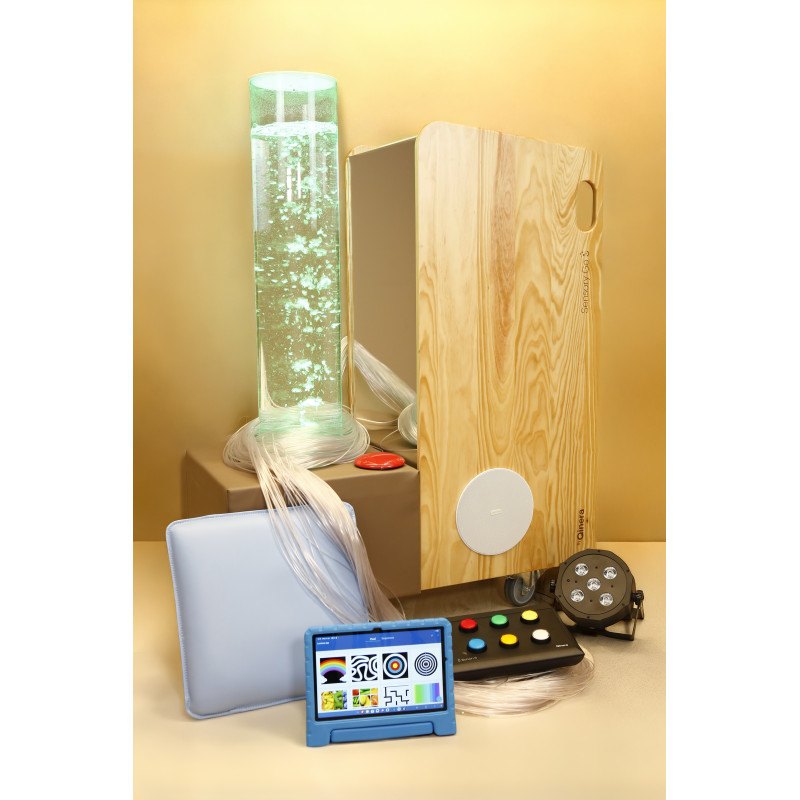
Sensory Go Luminea Plus
Qinera
An expanded portable multisensory cart adding accessible buttons, vibroacoustic cushion, aromatherapy, UV stimulation and massage to the Luminea system.
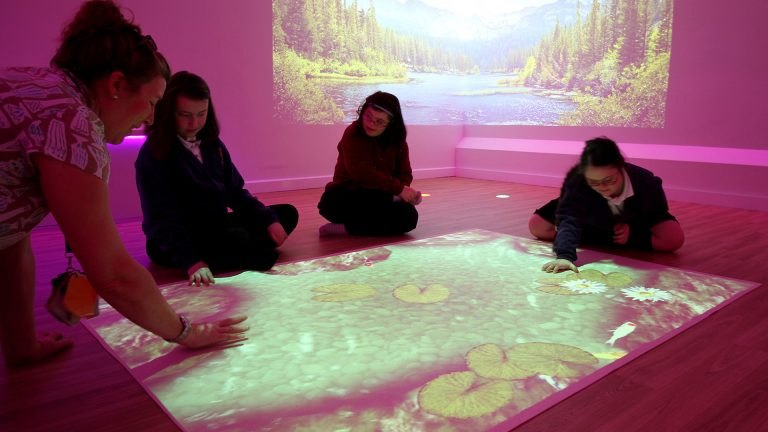
Magic Carpet
Sensory Guru
An interactive floor projection system that responds to movement and supports inclusive play, therapy, sensory exploration and learning.
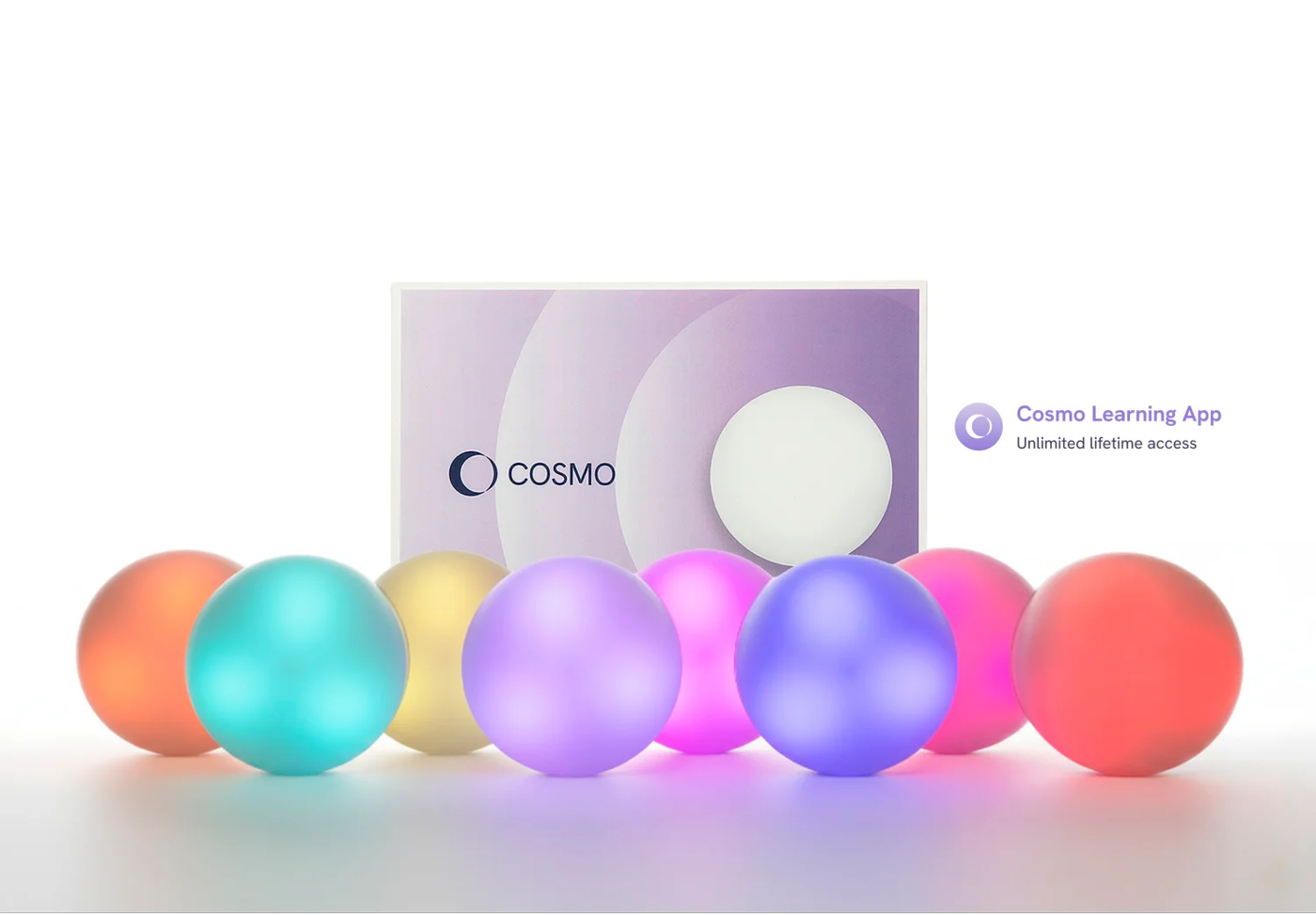
Cosmo Learning System
Cosmo
An interactive learning and therapy system combining eight wireless Cosmo Dots with an iPad app for multisensory, play-based activities across cognitive, motor, communication and social-emotional goals.
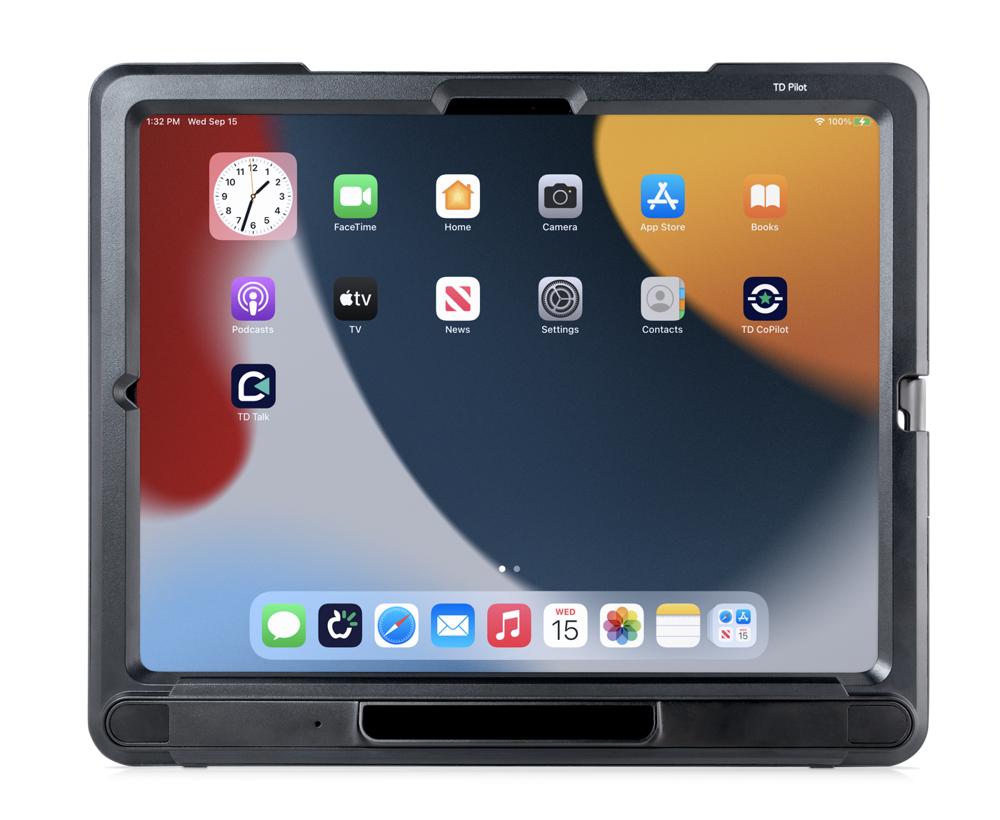
TD Pilot (iOS)
Tobii Dynavox
A dedicated eye-controlled iPadOS speech generating device with integrated Tobii eye tracking, Partner Window, powerful speakers and pre-installed AAC apps.
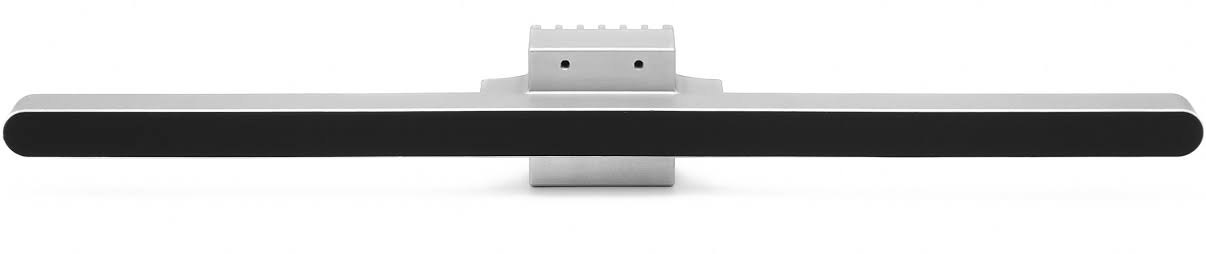
Eyetuitive
GazeFirst
A compact, AI-powered eye tracker that adds eye-gaze control to Windows computers and iPad Pro, with no extra licences required.
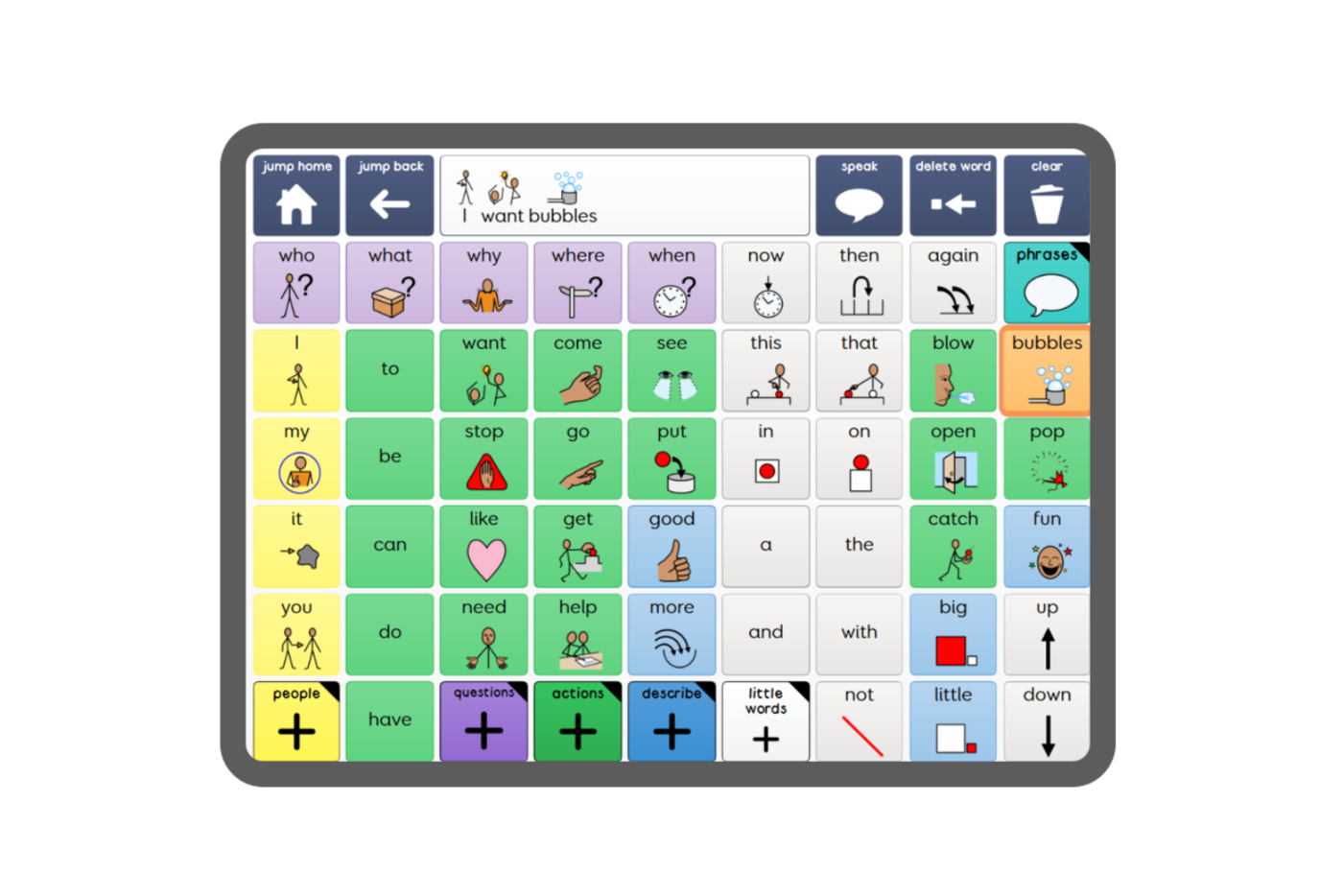
Grid 3 for Windows
Smartbox
Smartbox's flagship Windows AAC software for communication, computer access, environmental control and independence across multiple access methods.
Your first step
Start with an occupational-therapy assessment of the person's sensory responses and the activities that are difficult. We then match environmental changes or equipment to specific functional goals and recommend trialling and reviewing outcomes before building a larger sensory solution.
Tell us about the person you support
Every journey starts with a conversation. Our specialists will help you find the right path, with no pressure and no jargon.
Email us
info@consortworld.com
Call us
+971 4 431 4400
Visit us
Office 1102, The Dome Tower, Cluster N, JLT, Dubai