
ALS / Motor Neuron Disease
ALS / motor neuron disease is a progressive neurodegenerative condition that damages the motor neurons controlling voluntary movement. Speech, swallowing, hand use, mobility and breathing can change over time; some people also develop cognitive or behavioural changes, so assessment should never assume that every person follows the same pattern.
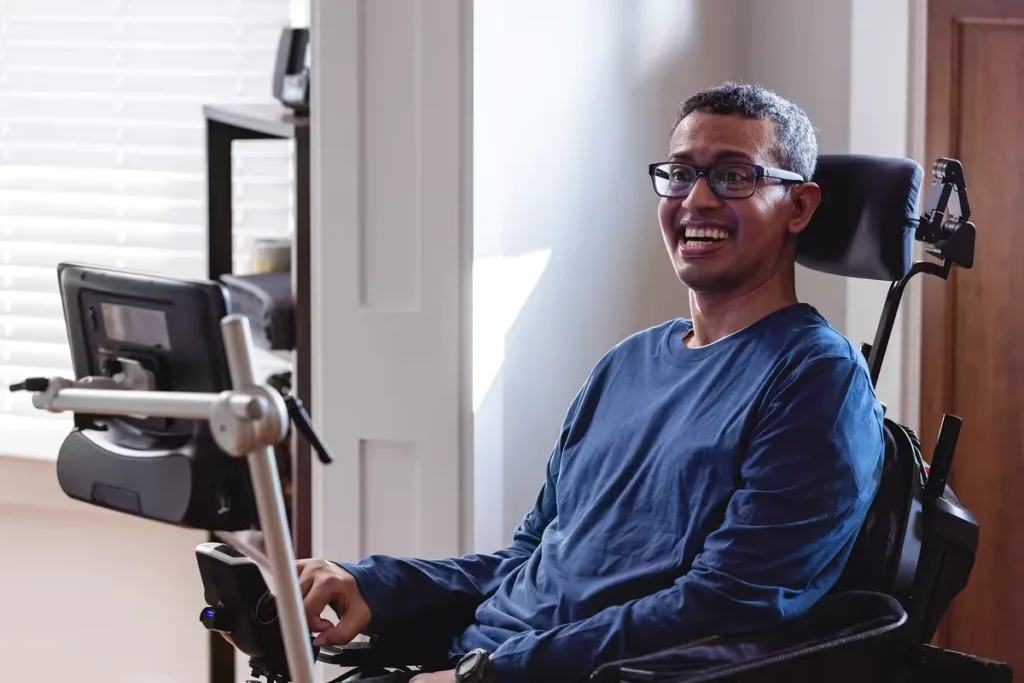
What it can mean day to day
Communication planning is most effective when it starts early. AAC can begin by supplementing natural speech and preserving a person's voice or meaningful messages, then adapt as access needs change through touch, switches, head tracking or eye gaze. A strong plan also includes mounting, computer access and a reliable low-tech backup.
Where assistive technology can help
Challenge 1
Dysarthria and reduced breath support can make speech slower, quieter or harder to understand
Challenge 2
Progressive weakness may make typing, touchscreens and device handling increasingly difficult
Challenge 3
Access needs can change, so communication technology must be planned for progression
ALS / Motor Neuron Disease: what typically works
Early AAC & voice preservation
Introduce AAC before speech becomes urgent and consider voice or message banking while the person's voice is still strong enough to record.
Access that changes with movement
Use direct touch while it remains efficient, then trial switches, head tracking or eye gaze as fatigue and motor control change.
Communication and computer access
A well-configured system can support speech generation, writing, email, messaging, browsing, work and other everyday digital tasks.
Mounting and backup communication
Position the device for reliable access and keep a low-tech communication method available for fatigue, transfers, charging or equipment failure.
Products our assessments most often lead to
Every recommendation follows an assessment. These are starting points, not prescriptions.
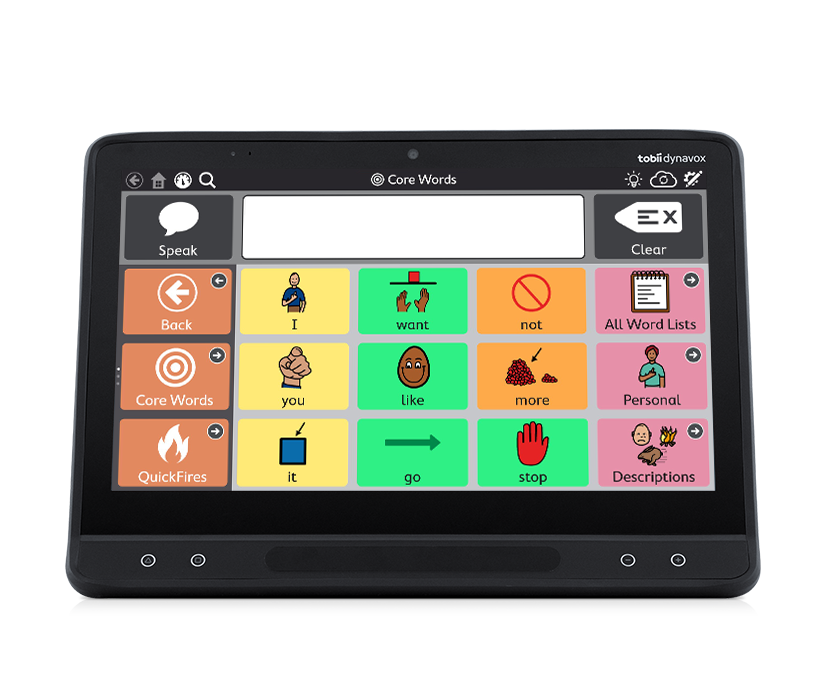
TD I-16 (Windows)
Tobii Dynavox
A flagship 15.6-inch Windows speech generating device with integrated eye tracking, Partner Window and a complete AAC and computer-access software suite.
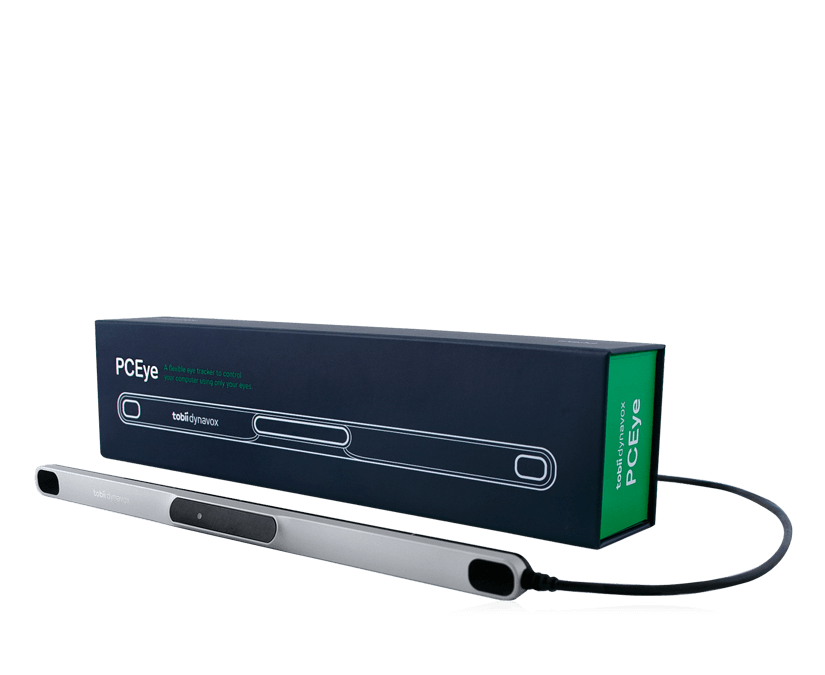
PCEye
Tobii Dynavox
A compact eye tracker for adding eye-gaze access to a compatible Windows tablet, laptop or monitor, with TD Control included.
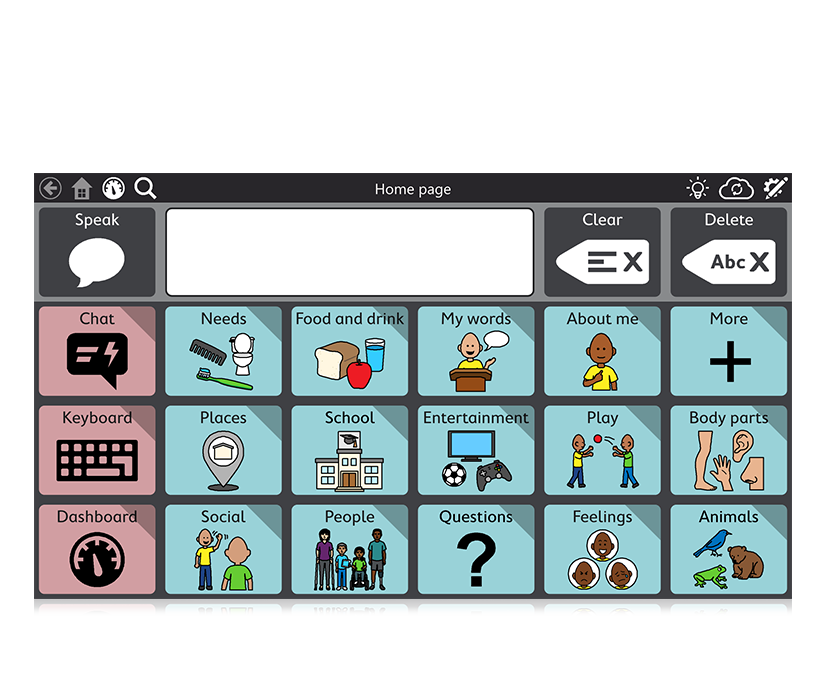
TD Snap
Tobii Dynavox
A flexible symbol-supported AAC platform with multiple page sets, clear speech output and access by touch, eye gaze or switch.
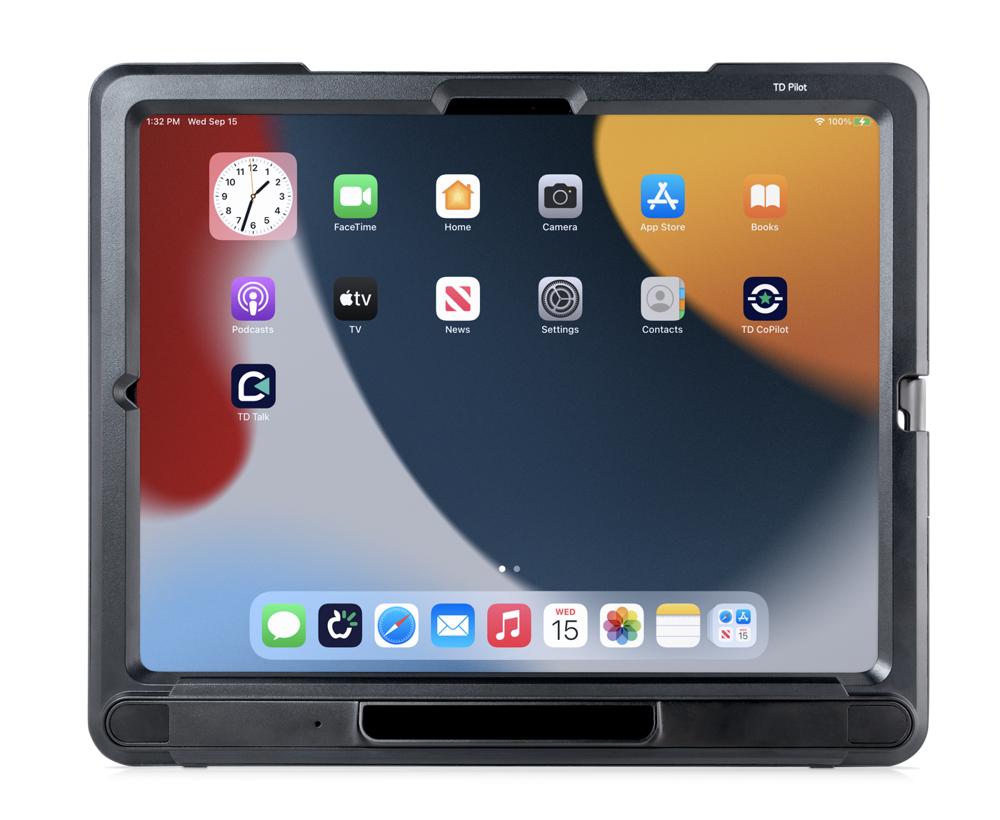
TD Pilot (iOS)
Tobii Dynavox
A dedicated eye-controlled iPadOS speech generating device with integrated Tobii eye tracking, Partner Window, powerful speakers and pre-installed AAC apps.
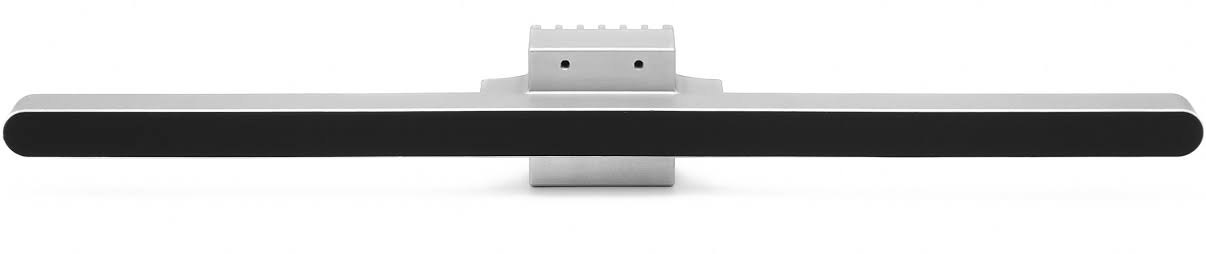
Eyetuitive
GazeFirst
A compact, AI-powered eye tracker that adds eye-gaze control to Windows computers and iPad Pro, with no extra licences required.
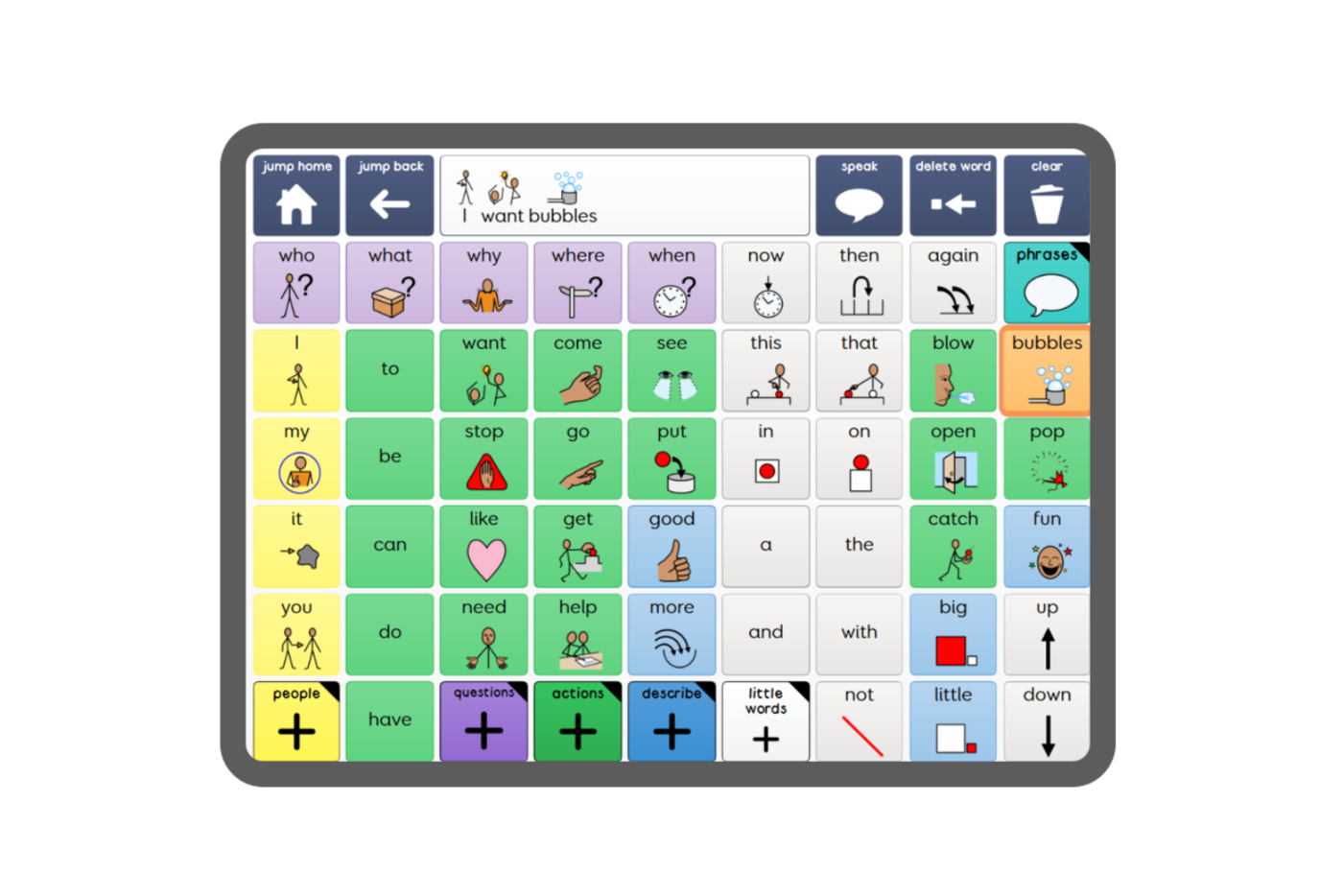
Grid 3 for Windows
Smartbox
Smartbox's flagship Windows AAC software for communication, computer access, environmental control and independence across multiple access methods.
Your first step
Start early with an SLP/AAC assessment rather than waiting until speech is no longer functional. We look at current speech, fatigue, hand and head movement, vision, cognition, seating and likely future access so the communication system can evolve with the person.
Tell us about the person you support
Every journey starts with a conversation. Our specialists will help you find the right path, with no pressure and no jargon.
Email us
info@consortworld.com
Call us
+971 4 431 4400
Visit us
Office 1102, The Dome Tower, Cluster N, JLT, Dubai